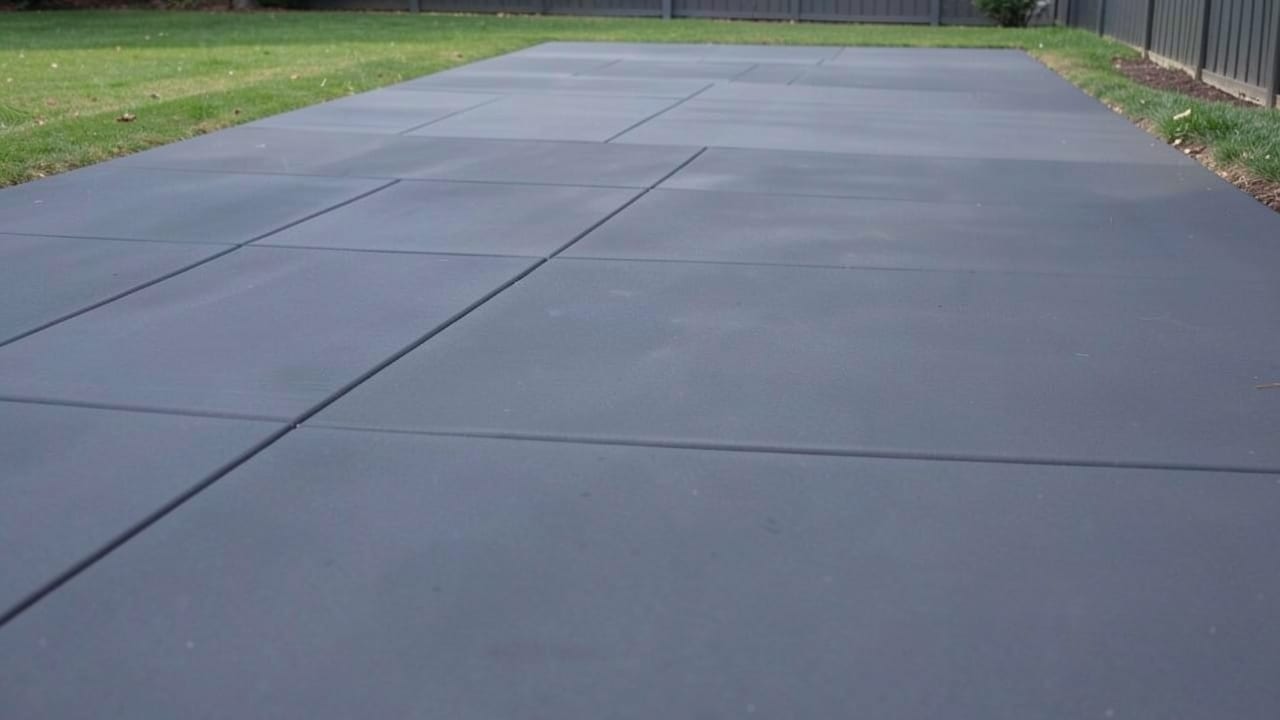
Oil Stain Removal
High-pressure cleaning to remove oil stains from driveways, garages, and other surfaces.
Oil stains on driveways, garages, and walkways in Pearland, TX, can leave unsightly marks that resist regular cleaning. Specialized pressure washing techniques lift and remove oil residue from concrete, asphalt, and pavers, restoring surfaces to a clean, like-new appearance without damaging the material.
The process requires careful equipment selection, surface protection, and targeted application to avoid spreading stains or causing erosion.
We also handle Pool Deck Cleaning and Rust Removal for Pearland properties.
When oil stains need professional attention
Oil stains often appear as dark, greasy patches that don’t fade with soap and water. Over time, they can penetrate porous surfaces like concrete or asphalt, making them harder to remove.
If stains persist after scrubbing or if the surface feels rough or discolored, professional oil stain removal may be necessary. Stains near vehicle parking areas, garage floors, or under carports are common targets for this service.
Left untreated, oil stains can weaken surface integrity, especially in high-traffic areas where vehicles or machinery frequently pass. Professionals use high-pressure equipment paired with degreasers formulated to break down oil without damaging the substrate.
The key is acting before stains become embedded, as deeper penetration requires more aggressive (and riskier) methods.
Signs Your Oil Stains Need Removal
- Stains remain visible after scrubbing with household cleaners or degreasers.
- The surface feels rough or sticky to the touch, indicating embedded residue.
- Stains spread or darken over time, suggesting deeper penetration into the material.
- You notice discoloration or a glossy sheen where oil has pooled, even after drying.
- The area is frequently used by vehicles, increasing the risk of further staining or surface damage.
How oil stain removal works in Pearland
Professional oil stain removal in Pearland targets the specific chemistry of petroleum-based residues. The process begins with a pre-treatment of degreaser to loosen oil without immediate high-pressure blasting, which could push stains deeper. This step is critical for porous surfaces like concrete or asphalt, where oil can seep into micro-cracks.
Next, specialized pressure washing equipment—typically operating between 2,000 and 4,000 PSI with a wide-angle nozzle—is used to lift and rinse away the loosened oil. The pressure and angle are adjusted to avoid damaging the surface, especially near edges or joints.
Finally, a clear-water rinse ensures all residue is removed, leaving the area clean and safe for foot or vehicle traffic.
Protecting your property during cleaning
Before any nozzle is turned on, landscaping near the work area is wetted down and covered to prevent runoff from detergents or overspray. Exterior outlets, light fixtures, and plants are shielded to avoid damage.
This step is often overlooked but critical, as chemical runoff can harm vegetation or cause long-term staining on siding or walkways.
For oil stains, the focus is on containment: tarps or barriers are placed around the treatment zone to catch debris and prevent the spread of residue. Professionals also inspect the area for pre-existing cracks or weak spots, as high-pressure cleaning can exacerbate these issues if not handled carefully.
Improper pressure washing can drive oil deeper into porous surfaces or strip protective sealants. Without the right equipment or technique, you risk spreading stains or damaging the material. Always use low-pressure pre-treatment and wide-angle nozzles for oil stains.
How oil stain removal works
Professional oil stain removal follows a structured process to lift and eliminate residue safely.
- 1Pre-Treatment
A degreaser formulated for oil and grease is applied to the stained area at low pressure. This step loosens the oil without forcing it deeper into the surface, making it easier to remove in later stages.
- 2Pressure Washing
Specialized equipment with adjustable PSI (typically 2,000–4,000) and a wide-angle nozzle is used to blast away the degreaser and oil. The wand is kept 12–18 inches from the surface and moved in overlapping passes to ensure even coverage.
- 3Surface Protection
Landscaping, fixtures, and adjacent surfaces are covered or shielded before cleaning begins. This prevents detergent runoff or overspray from damaging plants, siding, or other materials.
- 4Final Rinse
A clear-water rinse removes all residual degreaser and oil, leaving the surface clean. The area is inspected for missed spots or damage, with touch-ups applied as needed.
- 5Post-Cleaning Care
Sealing the surface afterward (if recommended) helps prevent future staining. For driveways or garages, this step is often optional but can extend the clean finish.
Frequently asked questions
How long does oil stain removal take for a typical driveway?
For a single-car driveway, the process usually takes 1–2 hours, including pre-treatment, pressure washing, and rinsing. Larger or heavily stained areas may require additional time or multiple passes.
Will pressure washing damage my concrete or asphalt?
When done correctly, professional pressure washing won’t damage the surface. However, improper technique—like using too much pressure or holding the wand too close—can cause pitting or erosion. Always use a wide-angle nozzle and keep a safe distance.
Can oil stains be removed from pavers or brick?
Yes, but the process is more delicate. Pavers and brick have grout lines and porous surfaces that require lower pressure and targeted application to avoid loosening mortar or spreading stains.
How often should I have my driveway cleaned for oil stains?
Frequency depends on usage and local conditions. Driveways near garages or frequently used by vehicles may need cleaning every 1–2 years. Regular sealing can also help reduce future staining.
Where Pearland sits, and what the Census lists nearby
Pearland sits in Texas, and the closest places listed in the U.S. Census Gazetteer are Brookside Village (2.4 miles north), Manvel (5.4 miles southwest), Friendswood (8.1 miles southeast), Fresno (8.8 miles west). Within 25 miles of Pearland the same source lists 58 distinct incorporated places and census-designated places.
Those figures matter for oil stain removal because they are straight-line distances between Census coordinate points: road mileage between Pearland and Brookside Village runs longer than the 2.4 miles shown, which is why quotes for the same job differ between towns that look close together on a map.
Source: U.S. Census Bureau Gazetteer.
See Rosharon, TX for more, or check out everything Pearland homeowners can book with us step by step for our complete lineup.
Ready to get started?
Talk to a local pressure washing pro in Pearland — get a written quote.
Other Pressure Washing Services in Pearland
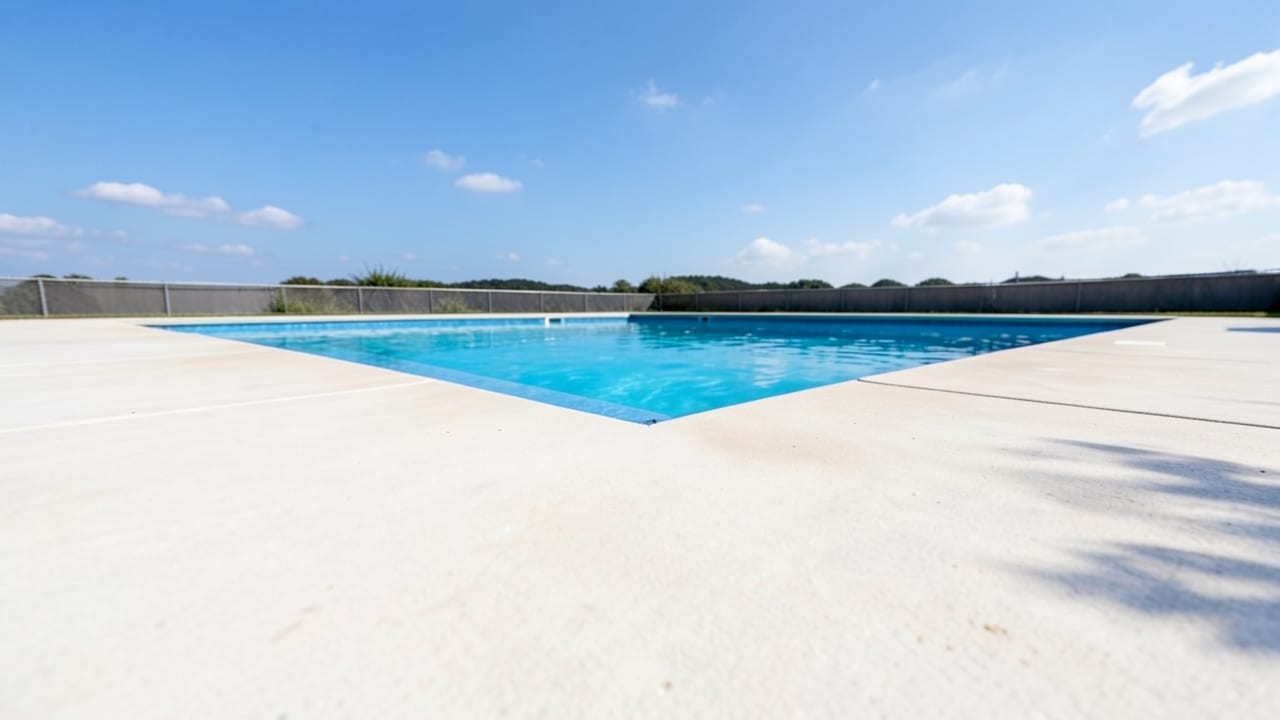
Pool Deck Cleaning in Pearland, TX
Pool deck cleaning in Pearland, TX — chemical-safe cleaning that restores slip resistance and removes algae staining.
Learn More
Rust Removal in Pearland, TX
Professional pressure washing to remove rust stains from driveways, sidewalks, and exterior surfaces.
Learn More
Mildew Treatment in Pearland, TX
Professional pressure washing to remove mildew from exterior surfaces like siding, decks, and fences.
Learn More
Brick Cleaning in Pearland, TX
Professional pressure washing to remove dirt, grime, and stains from brick surfaces.
Learn More
Stone Cleaning in Pearland, TX
High-pressure washing to remove dirt, grime, and stains from stone surfaces like driveways and patios.
Learn More
Vinyl Siding Cleaning in Pearland, TX
Professional pressure washing to remove dirt, mold, and grime from vinyl siding.
Learn MoreCommon Questions About Pressure Washing in Pearland
Everything you need to know about pressure washing services in Pearland
How much does Oil Stain Removal typically cost in Pearland, TX?
Why does algae and mildew growth on homes in Pearland, TX come back so quickly?
How often should a home's exterior actually be washed?
Are the cleaning chemicals used in soft washing safe for landscaping and pets?
Would home insurance cover damage caused by improper pressure washing?
Can pressure washing strip paint or an existing sealant off a surface?
Need Pressure Washing in Pearland?
Get a written quote from our Pearland crew.
⏰ We answer your call • Serving all of Pearland and surrounding areas