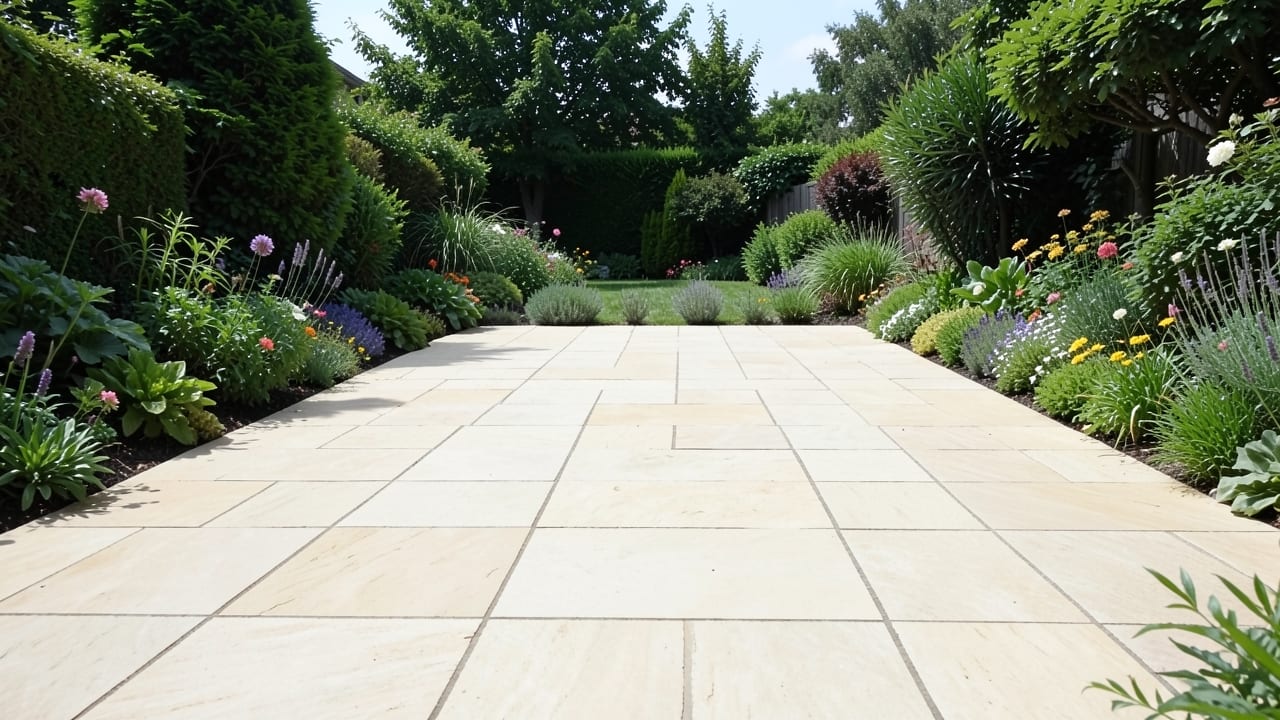
Stone Cleaning
High-pressure washing to remove dirt, grime, and stains from stone surfaces like driveways and patios.
Stone cleaning in Pearland, TX, uses specialized pressure washing techniques to restore natural or manufactured stone surfaces like patios, walkways, and retaining walls. This process targets embedded dirt, algae, moss, and efflorescence, improving curb appeal and preventing long-term damage without harming the material or mortar joints.
Local experts assess each surface to determine the safest pressure and treatment methods for your specific stone type and condition.
We also handle Chimney Exterior Cleaning and Mailbox Cleaning for Pearland properties.
When stone cleaning is needed
Stone surfaces often hide signs of deterioration beneath layers of dirt and grime. Algae or mildew may appear as a greenish or black film, especially on shaded areas, while a white, chalky haze—called efflorescence—indicates mineral deposits from moisture.
Dark staining concentrated below downspouts or rooflines suggests repeated runoff carrying dirt to specific spots. These issues don’t just affect appearance; they can weaken mortar and accelerate erosion if left untreated.
Mortar joints that appear recessed or crumble slightly under gentle pressure are another key indicator. While some wear is normal over time, joints that absorb moisture more readily create conditions for algae growth and further deterioration.
A thorough inspection before cleaning helps determine whether the stone or mortar needs repair alongside the cleaning process.
Signs Your Stone Needs Cleaning
- A greenish or black film on shaded brick/stone surfaces (algae or mildew).
- White, patchy or uniform chalky haze (efflorescence from mineral deposits).
- Dark staining directly below downspouts, gutters, or rooflines (runoff buildup).
- Mortar joints that look recessed, crumble under light finger pressure, or absorb moisture more than surrounding material.
- Visible streaking or discoloration that doesn’t wipe away with a damp cloth.
How pressure and technique affect results
Not all stone surfaces tolerate the same pressure level. Harder materials like granite or modern brick can handle higher PSI settings, while softer natural stone or older brick may pit or lose texture if washed too aggressively.
The key is working *across* the face of the stone—not directly into mortar joints—to avoid accelerating erosion. A pre-cleaning inspection checks mortar condition to adjust pressure and technique accordingly.
Efflorescence and organic stains require a different approach than embedded dirt. Instead of scrubbing or blasting, a masonry-safe solution is applied to dissolve mineral deposits and algae without damaging the surface. After cleaning, joints and edges receive extra care at reduced pressure to balance effectiveness with material preservation.
A final rinse ensures loose residue is removed, while a post-cleaning inspection checks for any newly exposed joint deterioration.
| Surface Type | Pressure Risk | Recommended Approach |
|---|---|---|
| Granite, concrete, modern brick | High PSI safe for hard surfaces | Medium-to-high pressure (2,000–4,000 PSI) with wide-angle nozzle; avoid direct joint contact. |
| Limestone, sandstone, older brick | Pitting or texture loss at higher PSI | Low-to-medium pressure (1,200–2,500 PSI) with soft-wash detergent; test small area first. |
| Mortar joints (recessed/crumbling) | Accelerated erosion if pressured directly | Work across brick face; use detail brush for joints; reduce pressure to 800–1,200 PSI. |
| Efflorescence (white haze) | Scrubbing can pit softer stone | Apply masonry-safe solution; let dwell before rinsing; avoid mechanical agitation. |
| Algae/mildew (green/black film) | Can reappear if moisture isn’t addressed | Use algae-killing detergent; check for moisture sources (downspouts, poor drainage). |
What affects pricing and timing
The size of the area and the condition of the stone and mortar are the primary factors in pricing. A heavily stained or algae-covered surface may require additional treatments, increasing both time and cost.
Accessibility also plays a role—tight spaces, multi-level patios, or retaining walls with difficult angles can slow the process. Most local providers charge per square foot, with an average range for full exterior stone cleaning reflecting labor, equipment, and chemical costs.
Seasonal timing matters for two reasons: moisture and temperature. Washing masonry just before freezing weather can trap water in the pores of the stone, leading to freeze-thaw damage. Conversely, extreme heat can cause cleaning solutions to dry too quickly, reducing effectiveness.
Early spring or late fall—when temperatures are moderate and rain is less frequent—are ideal windows for stone cleaning in Pearland’s climate.
How stone cleaning works
A thorough stone cleaning balances effectiveness with material preservation, starting with an inspection and ending with a protective finish.
- 1Inspect Mortar and Stone
Check for recessed or crumbling mortar joints and assess stone hardness. Softer materials or damaged joints require lower pressure and gentler techniques to avoid further erosion.
- 2Apply Masonry-Safe Solution
Target efflorescence and organic stains with a chemical treatment designed for stone. Let the solution dwell to break down mineral deposits and algae without mechanical abrasion.
- 3Clean with Controlled Pressure
Use a pressure washer set to the appropriate PSI for the material, working across the face of the stone—not directly into joints. Detail brushes handle edges and tight spaces at reduced pressure.
- 4Rinse and Re-Inspect
Remove loosened residue with a final rinse, then check mortar joints for new signs of deterioration. Wet joints are easier to evaluate for repair needs.
- 5Apply Vapor-Permeable Sealer (Optional)
A breathable sealer reduces future water absorption and staining while allowing trapped moisture to escape. This step helps the finish last longer between cleanings.
Frequently asked questions
Can stone cleaning damage my patio or walkway?
Pressure washing carries some risk if the wrong PSI or technique is used, especially on softer stone or old mortar. A professional inspection first ensures the method matches your material’s hardness and joint condition. Always confirm the provider uses a wide-angle nozzle and avoids directing pressure straight into joints.
Will stone cleaning remove efflorescence permanently?
Efflorescence is caused by moisture moving through the masonry, so cleaning alone won’t stop it from returning if the source isn’t addressed. A vapor-permeable sealer after cleaning can help, but redirecting downspouts or improving drainage is often the most effective long-term solution.
How often should I clean my stone surfaces?
Most stone surfaces benefit from cleaning every 2–3 years, or sooner if algae, moss, or efflorescence appear. Regular maintenance—like keeping mulch and vines away from the base of walls—can extend the time between deep cleanings by reducing moisture exposure.
Do I need to seal my stone after cleaning?
Sealing isn’t required for every job, but it can help repel future dirt and moisture if your stone is porous. A vapor-permeable sealer is best for letting trapped moisture escape while reducing absorption. Skip sealing if your stone is already dense or non-porous.
Where Pearland sits, and what the Census lists nearby
Pearland sits in Texas, and the closest places listed in the U.S. Census Gazetteer are Brookside Village (2.4 miles north), Manvel (5.4 miles southwest), Friendswood (8.1 miles southeast), Fresno (8.8 miles west). Within 25 miles of Pearland the same source lists 58 distinct incorporated places and census-designated places.
Those figures matter for stone cleaning because they are straight-line distances between Census coordinate points: road mileage between Pearland and Brookside Village runs longer than the 2.4 miles shown, which is why quotes for the same job differ between towns that look close together on a map.
Source: U.S. Census Bureau Gazetteer.
See Fifth Street, TX for more, or find out about the full pressure washing lineup we run in Pearland in detail for our complete lineup.
Ready to get started?
Talk to a local pressure washing pro in Pearland — get a written quote.
Other Pressure Washing Services in Pearland
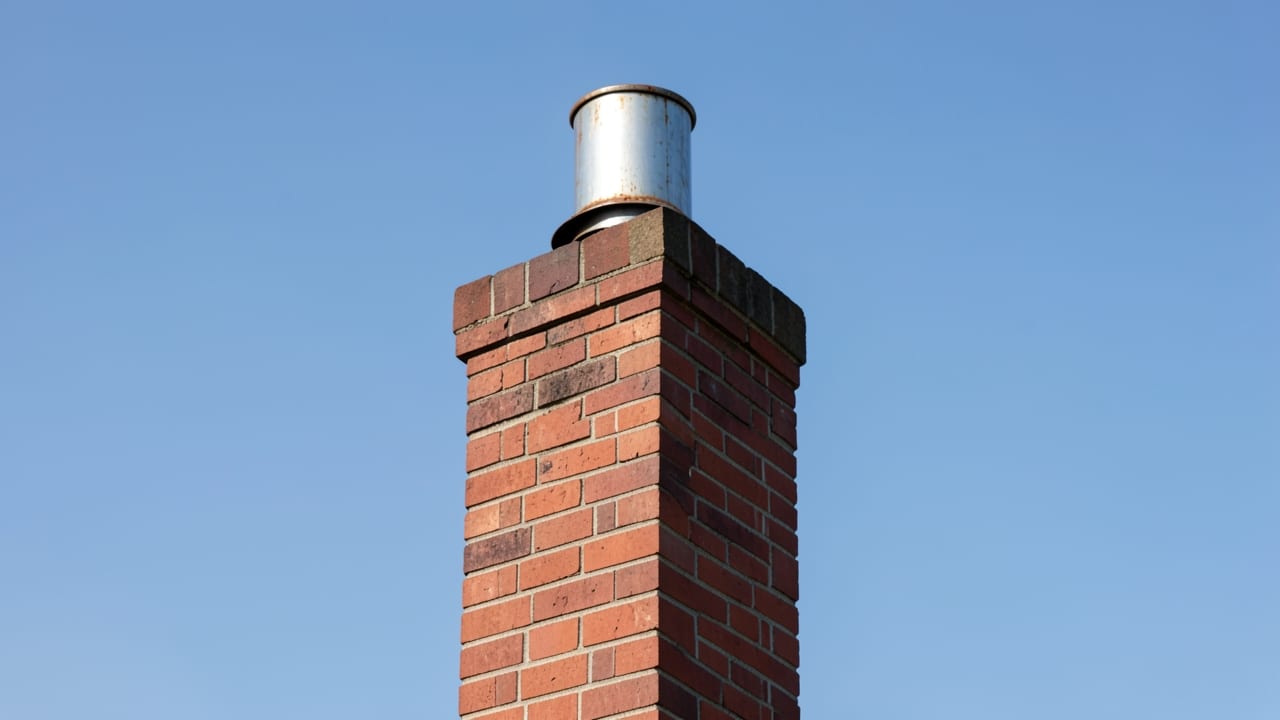
Chimney Exterior Cleaning in Pearland, TX
Pressure washing to remove soot, dirt, and stains from chimney exteriors.
Learn More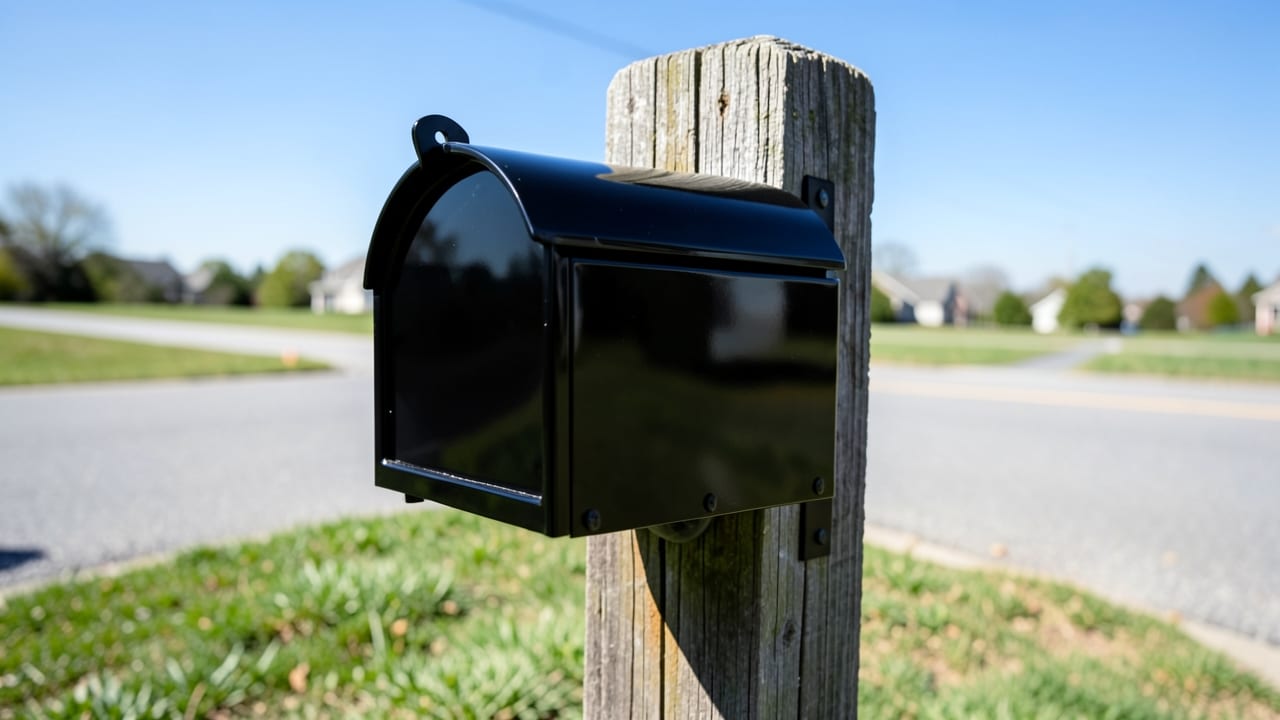
Mailbox Cleaning in Pearland, TX
Pressure washing to remove dirt, grime, and stains from mailboxes.
Learn More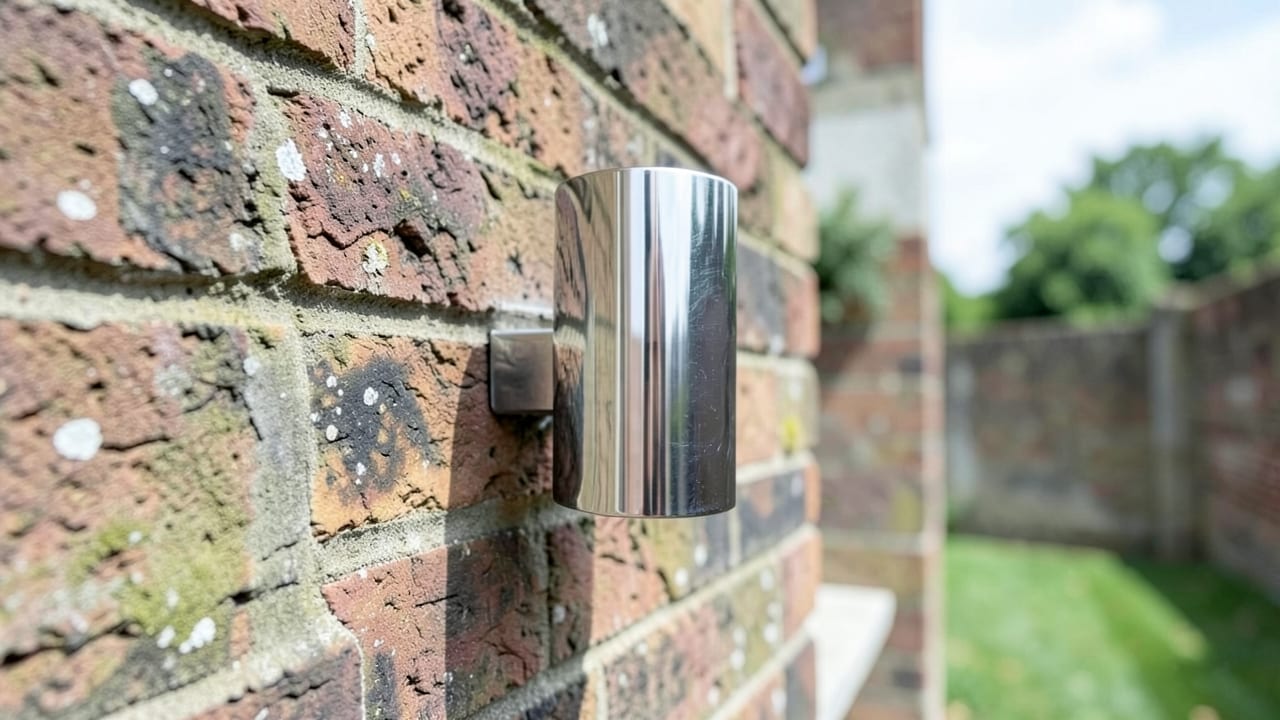
Exterior Light Fixture Cleaning in Pearland, TX
Professional cleaning of outdoor light fixtures to remove dirt, grime, and debris using pressure washing.
Learn More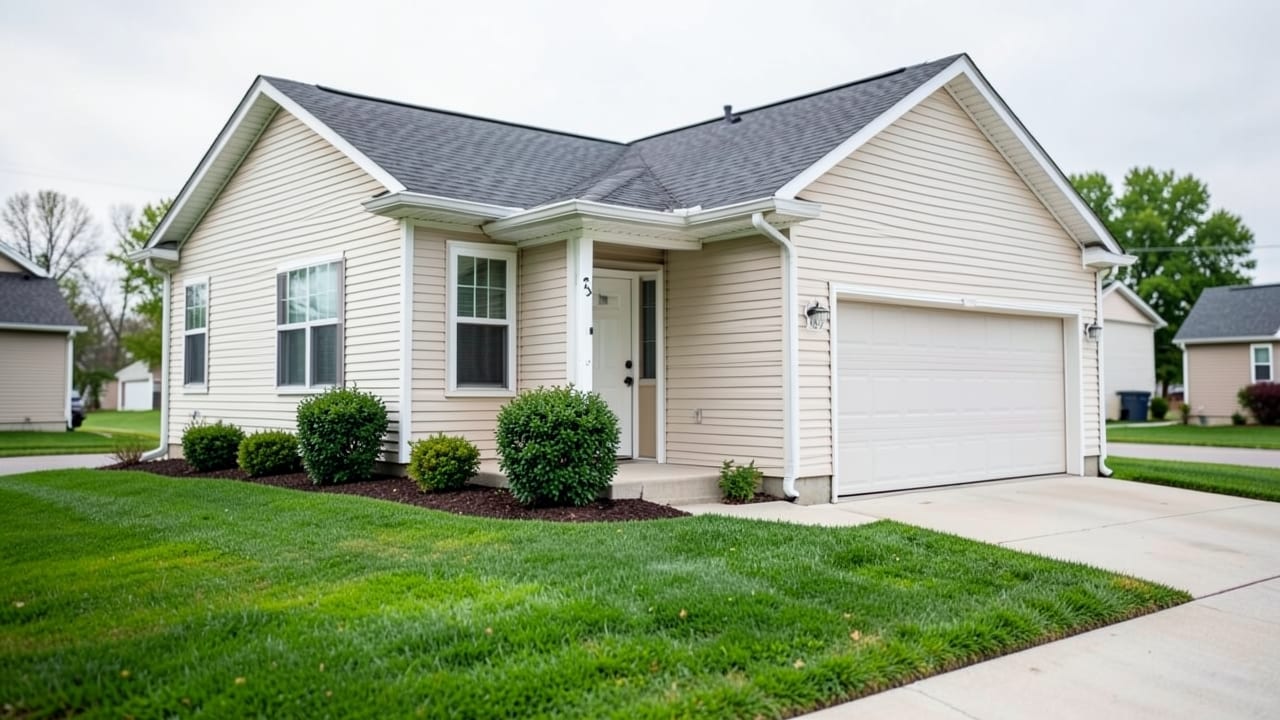
Rental Property Washing in Pearland, TX
High-pressure cleaning of rental property exteriors to remove dirt, grime, and mold.
Learn More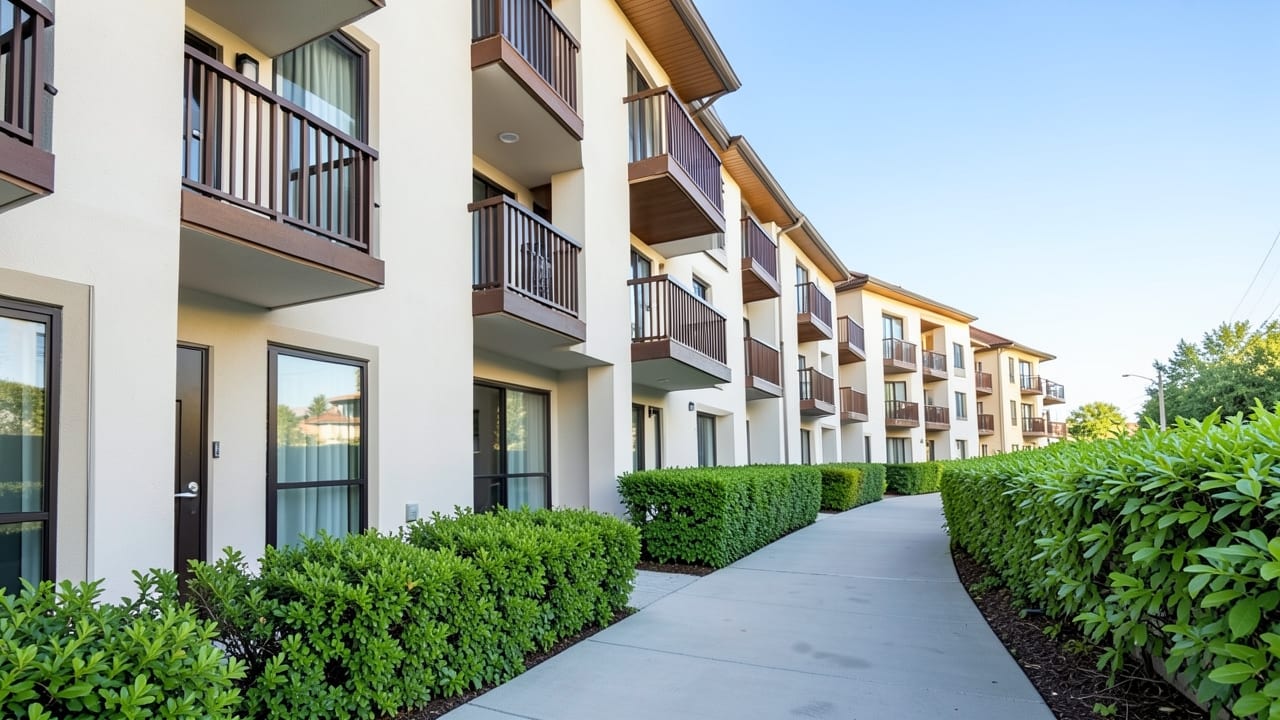
Condo Association Washing in Pearland, TX
High-pressure cleaning of condo association exteriors, walkways, and common areas to remove dirt and grime.
Learn More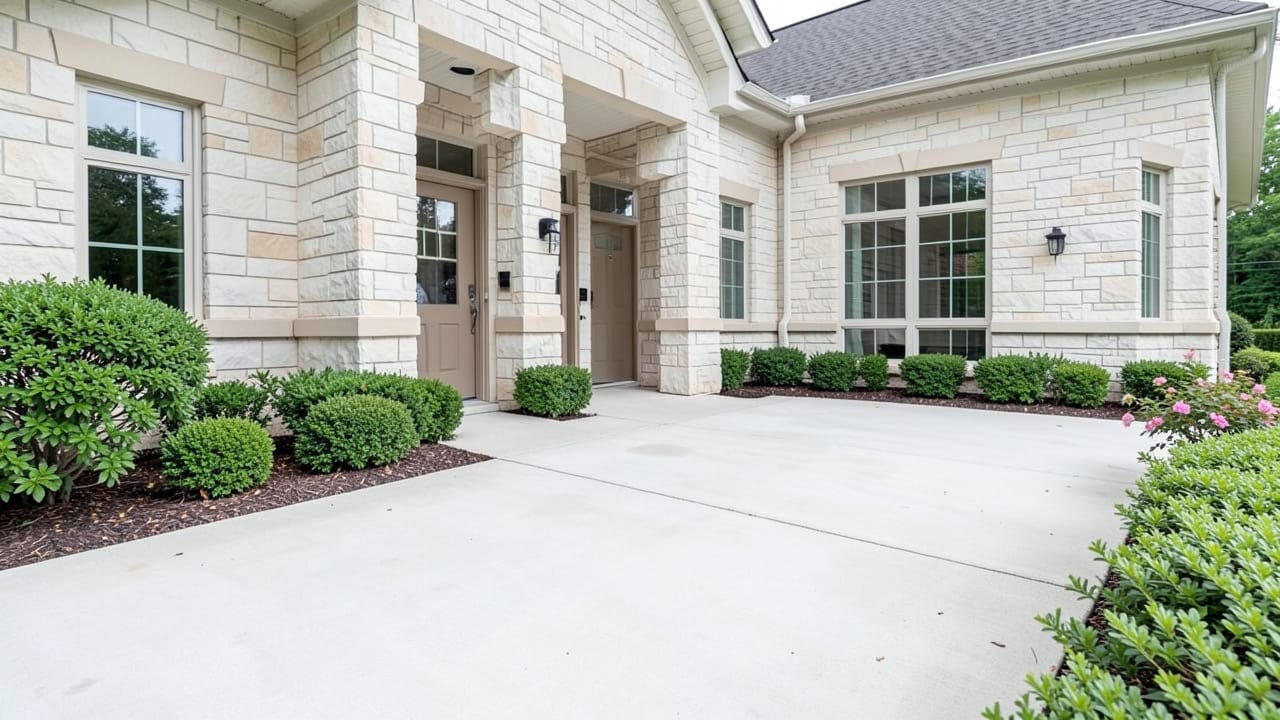
HOA Common Area Washing in Pearland, TX
Pressure washing HOA common areas like sidewalks, playgrounds, and entryways to remove dirt and grime.
Learn MoreCommon Questions About Pressure Washing in Pearland
Everything you need to know about pressure washing services in Pearland
How much does Stone Cleaning typically cost in Pearland, TX?
Why does algae and mildew growth on homes in Pearland, TX come back so quickly?
Can the wrong PSI actually damage a house or driveway?
What's the actual difference between pressure washing and soft washing?
How often should a home's exterior actually be washed?
Are the cleaning chemicals used in soft washing safe for landscaping and pets?
Need Pressure Washing in Pearland?
Get a written quote from our Pearland crew.
⏰ We answer your call • Serving all of Pearland and surrounding areas