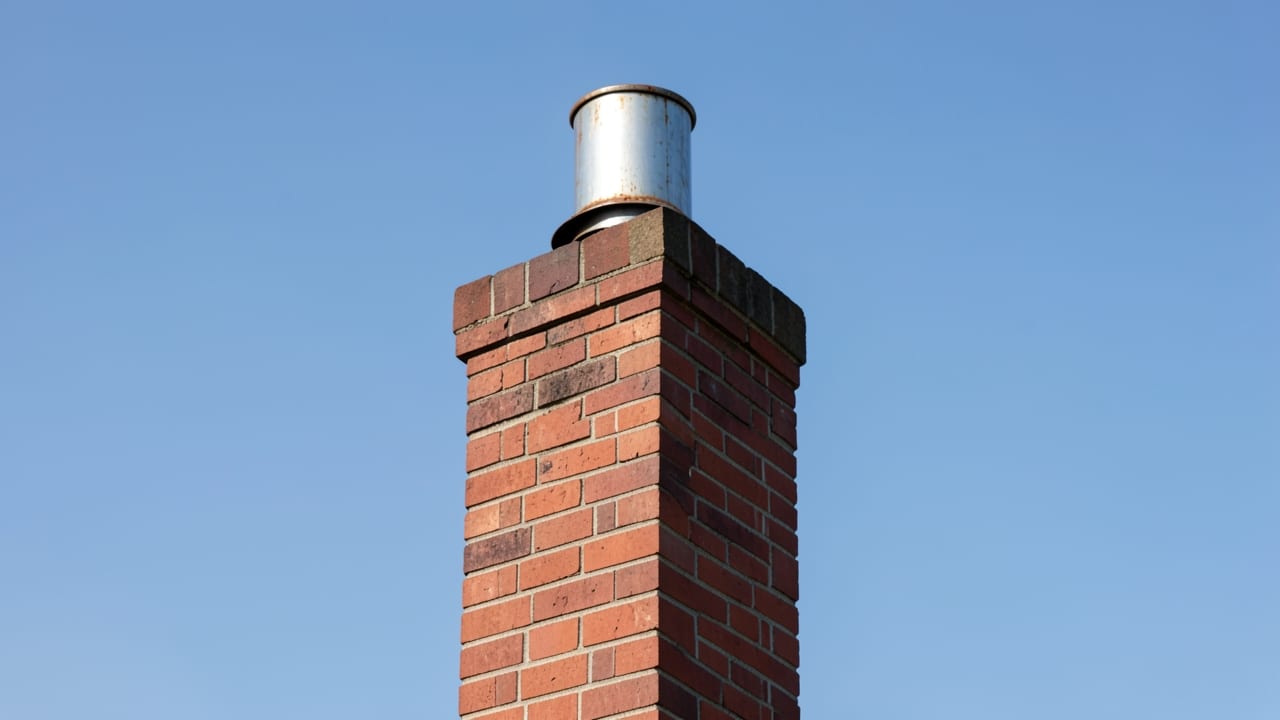
Chimney Exterior Cleaning
Pressure washing to remove soot, dirt, and stains from chimney exteriors.
Chimney exterior cleaning in Pearland, TX, focuses on restoring brick, stone, or metal surfaces using controlled pressure washing to remove soot, dirt, and mineral stains. This process helps maintain the chimney’s appearance and prevents long-term masonry degradation, while also checking for mortar deterioration that could worsen without proper care.
When exterior chimney cleaning is needed
Chimney exteriors often show signs of buildup that go beyond simple dirt. Greenish or black films on shaded surfaces usually indicate algae or mildew, while a white, chalky haze—called efflorescence—means mineral deposits from moisture moving through the masonry.
We also handle Driveway & Concrete Cleaning and Roof Washing (Soft Wash) for Pearland properties.
Dark staining concentrated below downspouts or rooflines points to repeated runoff carrying dirt to specific spots.
Mortar joints that appear recessed or crumble under gentle pressure are another key sign. These areas absorb moisture more easily, accelerating further deterioration. If these issues are ignored, they can lead to structural problems over time, making regular inspections and cleaning essential for Pearland’s humid climate.
Signs Your Chimney Needs Cleaning
- A greenish or black film on shaded brick or stone surfaces (algae or mildew).
- White, chalky patches (efflorescence) from mineral deposits in the masonry.
- Dark staining directly below downspouts or rooflines (repeated water runoff).
- Mortar joints that look recessed, crumble easily, or hold moisture longer than the surrounding material.
- Visible soot or grime buildup that hasn’t faded after rain or seasonal changes.
What affects pricing and timing
The size of the chimney, the material it’s made from (brick, stone, or metal), and the extent of staining or damage all influence the cost. Older masonry or softer brick may require lower pressure settings and more careful handling, which can extend the job time.
Additionally, treating efflorescence or organic stains often involves specialized solutions, adding to the overall process.
Accessibility plays a role too. Chimneys with complex designs, nearby landscaping, or limited space for equipment may take longer to clean safely. Weather conditions, such as recent rain or upcoming cold snaps, can also delay the job to avoid trapping moisture in the masonry, which could lead to freeze-thaw damage.
Common mistakes to avoid
Using high-pressure settings directly on mortar joints can accelerate erosion, especially if the mortar is already weakened. This mistake often leads to costly repointing later. Similarly, applying non-breathable sealers after cleaning can trap moisture inside the masonry, worsening long-term damage.
Another oversight is ignoring recurring stains, which may signal persistent moisture issues from downspouts or landscaping.
Skipping a pre-cleaning inspection of mortar condition is another risk. What looks like ordinary grime might hide structural weaknesses that require different handling. Always confirm whether the cleaning method—pressure wash or soft wash—is tailored to your chimney’s material and age, as the wrong approach can cause pitting or surface damage.
Directing high pressure into mortar joints or using settings too aggressive for soft brick can erode material faster than natural weathering. Always confirm the PSI and method used for your chimney’s specific surface.
How chimney exterior cleaning works
A thorough cleaning begins with an inspection to assess mortar and material condition.
- 1Inspect Mortar and Surface
The chimney’s mortar joints and brick/stone face are checked for crumbling or recession. Areas with weakened mortar are noted to adjust pressure settings and avoid further damage.
- 2Apply Low-to-Medium Pressure
Water is sprayed across the chimney’s surface—not directly into joints—to loosen soot and stains. Pressure is kept low to protect softer materials while still removing built-up grime.
- 3Treat Stains and Efflorescence
Specialized masonry-safe solutions are applied to break down organic stains and mineral deposits. These are left to dwell briefly before rinsing to avoid scrubbing, which can pit softer surfaces.
- 4Finish Edges and Inspect Joints
Corners, window sills, and areas near mortar are cleaned with reduced pressure. After rinsing, joints are re-inspected for any newly visible deterioration caused by the cleaning process.
- 5Dry and Recommend Maintenance
The chimney is allowed to dry fully to prevent moisture trapping. Recommendations for sealing (if appropriate) or addressing recurring moisture sources, like downspout placement, are provided.
Frequently asked questions
Will pressure washing damage my chimney’s mortar or brick?
If done correctly, low-to-medium pressure washing is designed to clean without harming intact mortar or brick. However, weakened or recessed mortar may require extra caution, and softer brick can pit under higher settings. Always confirm the PSI and method used for your specific materials.
What causes that white, chalky substance on my chimney?
That’s efflorescence, a mineral deposit left behind as moisture moves through the masonry and evaporates. It’s not harmful but indicates moisture exposure. Treating it during cleaning helps, but addressing the source—like redirecting downspouts—can prevent it from returning.
Can I clean my chimney myself, or should I hire a professional?
DIY cleaning risks using the wrong pressure or chemicals, which can damage softer brick or mortar. Professionals assess material condition first and use solutions and techniques tailored to your chimney’s age and construction. If you attempt it, start with the lowest pressure setting and avoid aiming directly at joints.
How often should I have my chimney exterior cleaned?
There’s no fixed schedule, but inspect it annually for stains, efflorescence, or mortar changes. Chimneys in shaded or damp areas may need cleaning every 1–3 years, while those in dry, sunny spots might go longer. Cleaning helps prevent long-term damage, but it’s not a substitute for fixing leaks or moisture issues.
Where Pearland sits, and what the Census lists nearby
Pearland sits in Texas, and the closest places listed in the U.S. Census Gazetteer are Brookside Village (2.4 miles north), Manvel (5.4 miles southwest), Friendswood (8.1 miles southeast), Fresno (8.8 miles west). Within 25 miles of Pearland the same source lists 58 distinct incorporated places and census-designated places.
Those figures matter for chimney exterior cleaning because they are straight-line distances between Census coordinate points: road mileage between Pearland and Brookside Village runs longer than the 2.4 miles shown, which is why quotes for the same job differ between towns that look close together on a map.
Source: U.S. Census Bureau Gazetteer.
See Missouri City, TX for more, or discover the pressure washing work we do around Pearland in detail for our complete lineup.
Ready to get started?
Talk to a local pressure washing pro in Pearland — get a written quote.
Other Pressure Washing Services in Pearland
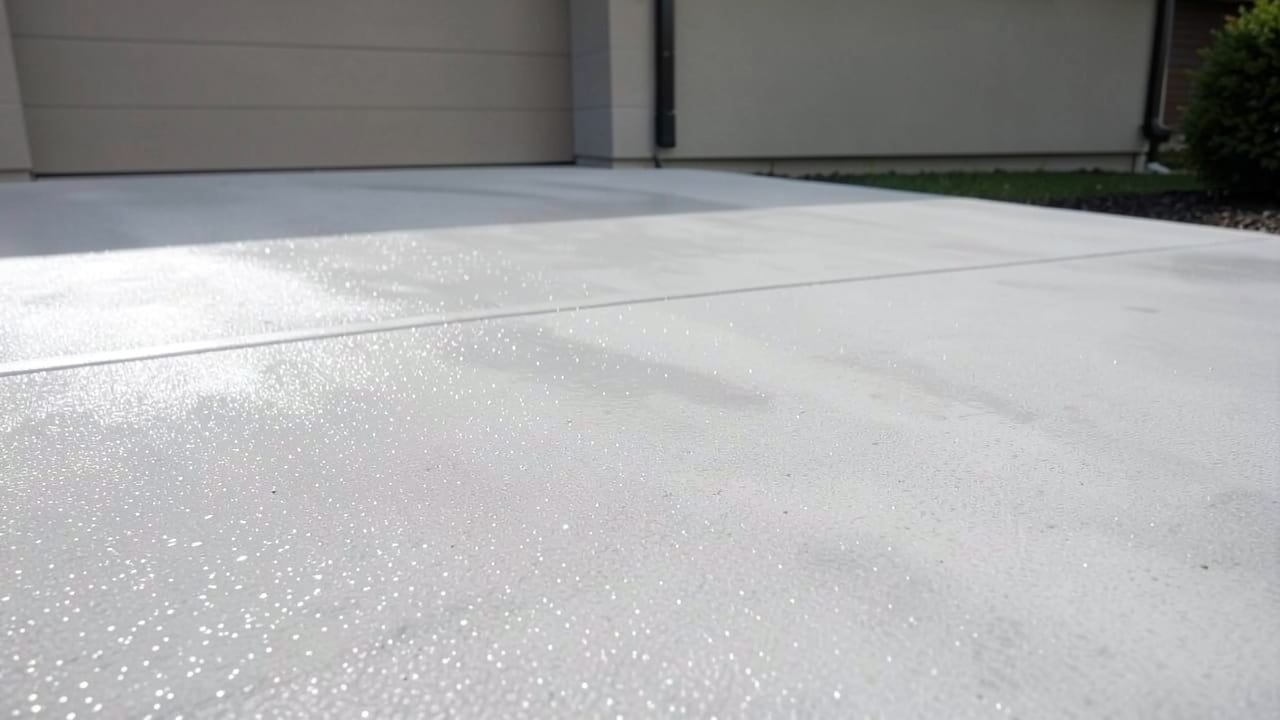
Driveway & Concrete Cleaning in Pearland, TX
Pressure washing for driveways, walkways, and patios in Pearland, TX — lifts oil stains, tire marks, and algae and mildew from concrete.
Learn More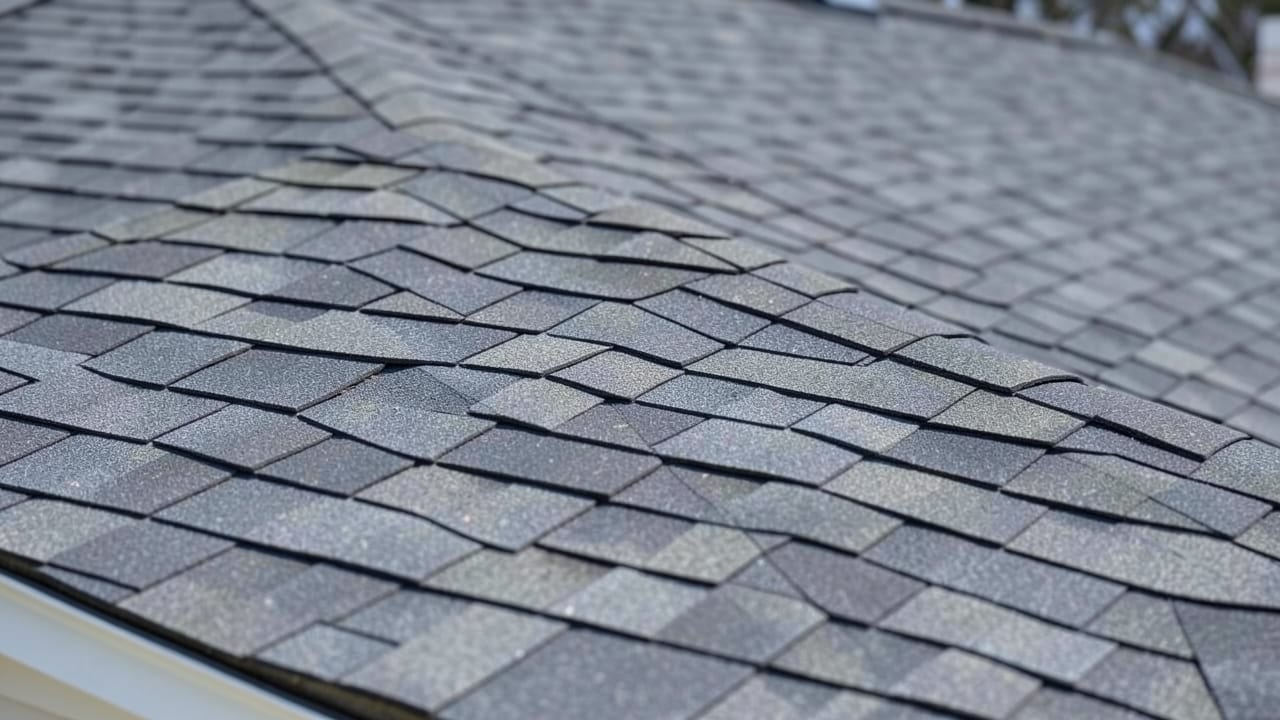
Roof Washing (Soft Wash) in Pearland, TX
Low-pressure soft-wash roof cleaning in Pearland, TX removes algae streaks without damaging shingles.
Learn More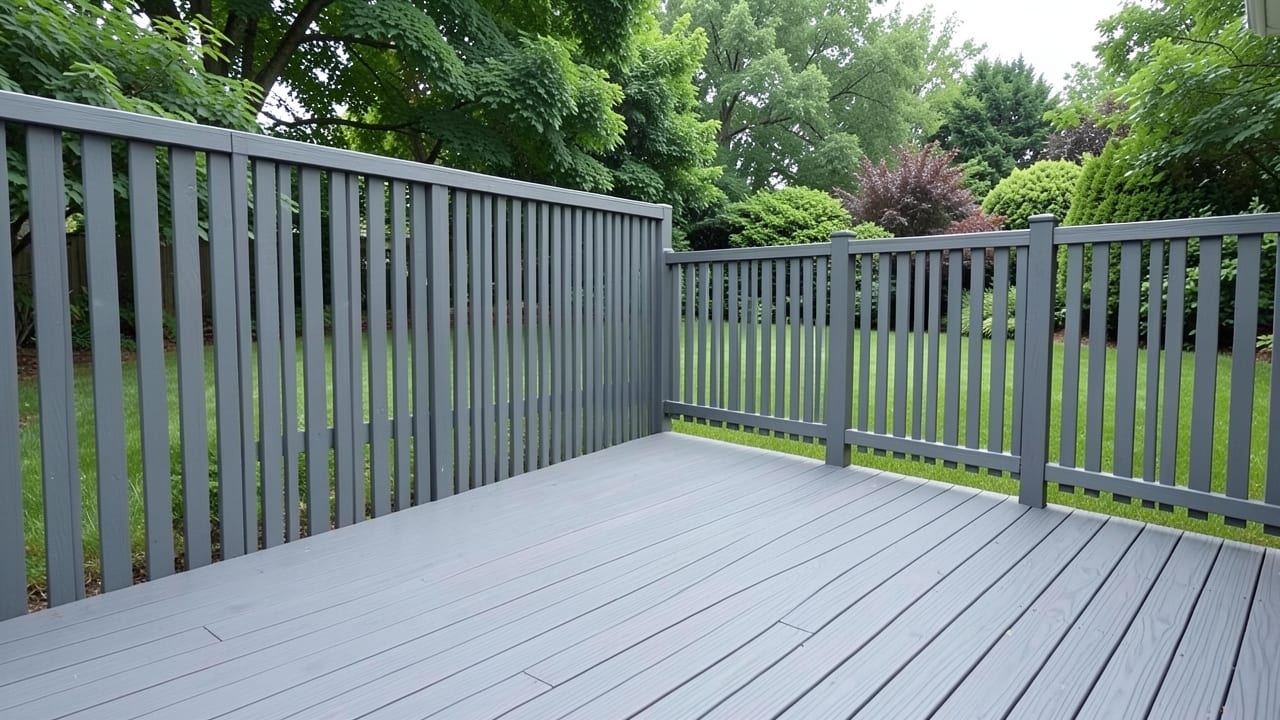
Deck & Fence Cleaning in Pearland, TX
Wood and composite deck and fence cleaning in Pearland, TX — restores surfaces before staining or sealing.
Learn More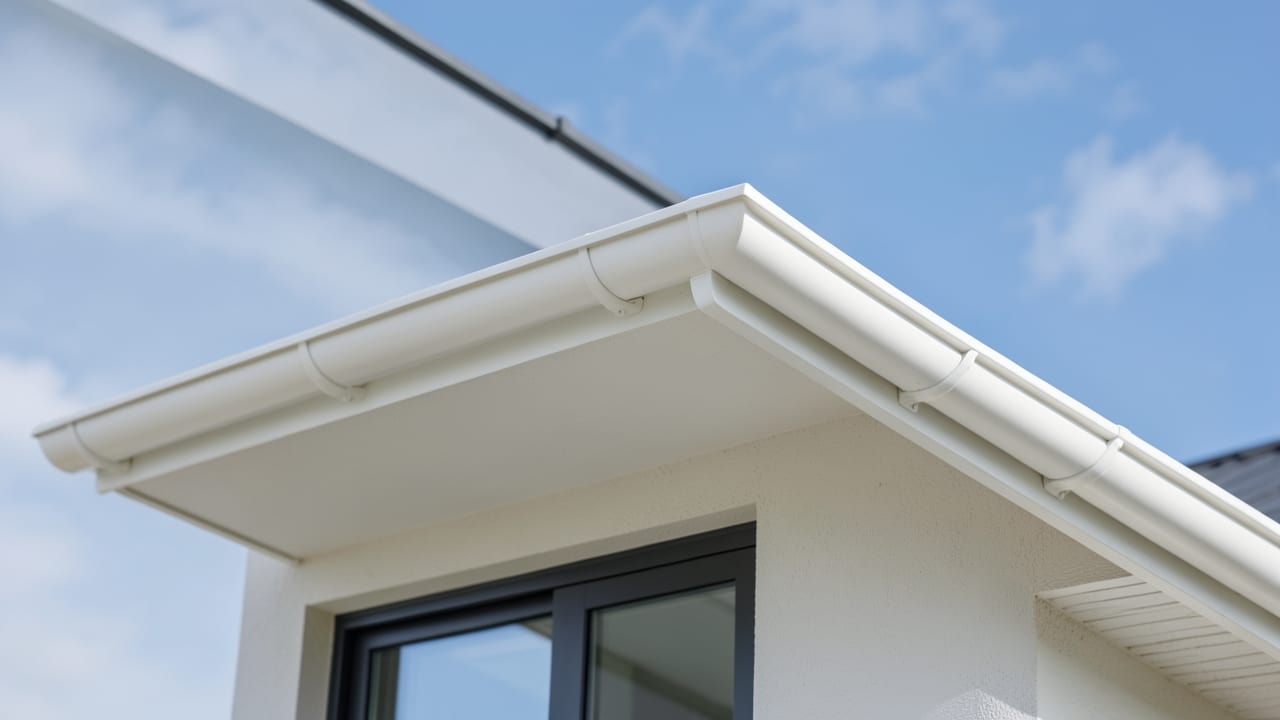
Gutter Cleaning in Pearland, TX
Gutter and downspout cleaning in Pearland, TX to clear leaf buildup and keep water flowing away from the foundation.
Learn More
Window Cleaning in Pearland, TX
Exterior window and window-frame cleaning in Pearland, TX, often bundled with a full house wash.
Learn More
Commercial Pressure Washing in Pearland, TX
Pressure washing for storefronts, parking lots, and commercial properties in Pearland, TX.
Learn MoreCommon Questions About Pressure Washing in Pearland
Everything you need to know about pressure washing services in Pearland
How much does Chimney Exterior Cleaning typically cost in Pearland, TX?
Why does algae and mildew growth on homes in Pearland, TX come back so quickly?
Are the cleaning chemicals used in soft washing safe for landscaping and pets?
Would home insurance cover damage caused by improper pressure washing?
Can pressure washing strip paint or an existing sealant off a surface?
Is renting a pressure washer and doing the job at home a reasonable option?
Need Pressure Washing in Pearland?
Get a written quote from our Pearland crew.
⏰ We answer your call • Serving all of Pearland and surrounding areas