Rust Removal
Professional pressure washing to remove rust stains from driveways, sidewalks, and exterior surfaces.
Rust stains on metal furniture, driveways, or siding can dull your Pearland home’s curb appeal, but high-pressure washing techniques can effectively remove them. Unlike general cleaning, rust removal targets oxidation buildup, requiring careful surface protection and targeted pressure to avoid damage while restoring a like-new finish.
Local providers use specialized methods to address both visible stains and underlying causes of reoccurrence.
We also handle Graffiti Removal and Solar Panel Cleaning for Pearland properties.
When rust removal is needed
Rust stains often appear as orange-brown streaks or patches, especially on metal surfaces exposed to moisture like driveways, fences, or outdoor furniture. Unlike dirt, rust spreads over time and can penetrate porous materials, making early treatment more effective.
Check for chalky residue when running a hand across the surface—a sign of oxidation—and look for green or black streaking on shaded siding, which indicates algae or mildew growth often linked to rust-prone metal components.
Cobwebs, insect debris, and dirt collecting in corners or under eaves are early warning signs that rust and grime are accumulating. Compare a covered patch (like a removed house number) to the exposed siding nearby—if the covered area looks cleaner, it confirms how much the rest has deteriorated.
Rust removal isn’t just about aesthetics; untreated stains can weaken metal over time, leading to structural issues.
Signs Rust Removal Is Needed
- Orange-brown streaks or patches on metal surfaces (furniture, railings, driveways)
- Chalky residue when touching the surface—indicates oxidation or grime buildup
- Green/black streaking on shaded siding (algae/mildew, often near rust-prone areas)
- Debris collecting in corners or under eaves (early rust and grime accumulation)
- Visible differences when comparing covered vs. exposed siding patches
What affects pricing and effectiveness
The size of the area being treated—whether it’s a small metal table or a large driveway—directly impacts cost. Rust removal on concrete or metal surfaces typically requires higher pressure and more solution than siding, which may need gentler techniques to avoid damage.
Pre-existing damage, such as cracked paint or loose mortar, can also influence pricing if additional repairs are needed after cleaning.
Location matters too. Sections of your home exposed to constant moisture, like those near sprinkler heads or under overhanging trees, will require more frequent treatment. A provider may recommend targeted adjustments, such as trimming vegetation or redirecting sprinklers, to help the finish last longer between cleanings.
Before and after: what to expect
Before the job begins, landscaping near the work area is protected with water and barriers to prevent chemical runoff from affecting plants or pets. Outlets and fixtures are bagged to avoid overspray damage.
The process starts with a low-pressure detergent application tailored to the surface—vinyl, wood, or metal each requires a different chemical mix—to break down stains without relying solely on pressure.
After cleaning, a final inspection checks for missed spots, streaking, or any surface damage caused by the process. While rust removal can restore a surface’s appearance, some stains may require multiple passes or additional treatments, especially if the rust has penetrated deeply.
The goal is to remove visible oxidation while minimizing risk to the material.
Using high pressure on siding or wood without pre-treatment can force water behind panels, leading to hidden mold or rot. Always confirm the provider uses low-pressure rinses (under 500 psi) and spot-treats stubborn stains instead of increasing pressure.
How rust removal works
- 1Surface Protection
Landscaping near the work area is wetted down and covered, and exterior outlets or fixtures are bagged to prevent chemical runoff or overspray damage. This step ensures no unintended harm to plants, pets, or electrical components.
- 2Detergent Pre-Treatment
A cleaning solution formulated for the specific surface—whether metal, concrete, or siding—is applied at low pressure. The detergent dwells to chemically break down rust, algae, and mildew before rinsing, reducing the need for aggressive pressure.
- 3Spot Treatment for Stubborn Stains
Areas with heavy rust or deep stains receive a second, more concentrated pass rather than higher pressure. This targeted approach prevents water from being forced behind siding seams, which can cause long-term damage.
- 4Final Rinse and Inspection
A clear-water rinse removes all detergent residue, followed by a walkthrough in daylight to check for missed spots, streaking, or surface damage. Any issues are noted for potential follow-up.
Frequently asked questions
Will rust removal damage my metal furniture or siding?
Rust removal uses controlled pressure and detergents suited to the material, but improper technique—like aiming a wand directly into seams or using excessive pressure—can cause damage. Always ask if the provider adjusts pressure per surface and uses spot treatment for stubborn stains instead of brute force.
How often should I have rust removal done?
Frequency depends on exposure to moisture and shade. Metal surfaces in wet or shaded areas may need treatment every 1–2 years, while driveways or concrete can last longer if sealed afterward. Trimming vegetation and checking sprinkler placement can extend the time between cleanings.
Can rust removal prevent future stains?
While it removes existing rust, prevention depends on reducing moisture exposure. Redirecting sprinklers, sealing treated surfaces, and trimming overhanging branches can help delay reoccurrence. Rust removal itself doesn’t alter the material’s susceptibility to oxidation.
What’s the difference between pressure washing and soft washing for rust?
Pressure washing uses high PSI to blast stains off, risking surface damage, while soft washing applies low-pressure detergents to dissolve rust and algae. Soft washing is safer for siding, wood, and delicate metal, but pressure washing may be needed for thick, baked-on rust on concrete or driveways.
Where Pearland sits, and what the Census lists nearby
Pearland sits in Texas, and the closest places listed in the U.S. Census Gazetteer are Brookside Village (2.4 miles north), Manvel (5.4 miles southwest), Friendswood (8.1 miles southeast), Fresno (8.8 miles west). Within 25 miles of Pearland the same source lists 58 distinct incorporated places and census-designated places.
Those figures matter for rust removal because they are straight-line distances between Census coordinate points: road mileage between Pearland and Brookside Village runs longer than the 2.4 miles shown, which is why quotes for the same job differ between towns that look close together on a map.
Source: U.S. Census Bureau Gazetteer.
See Rosharon, TX for more, or take a look at every option available in Pearland in detail for our complete lineup.
Ready to get started?
Talk to a local pressure washing pro in Pearland — get a written quote.
Other Pressure Washing Services in Pearland
Graffiti Removal in Pearland, TX
Graffiti removal from exterior walls and surfaces in Pearland, TX.
Learn More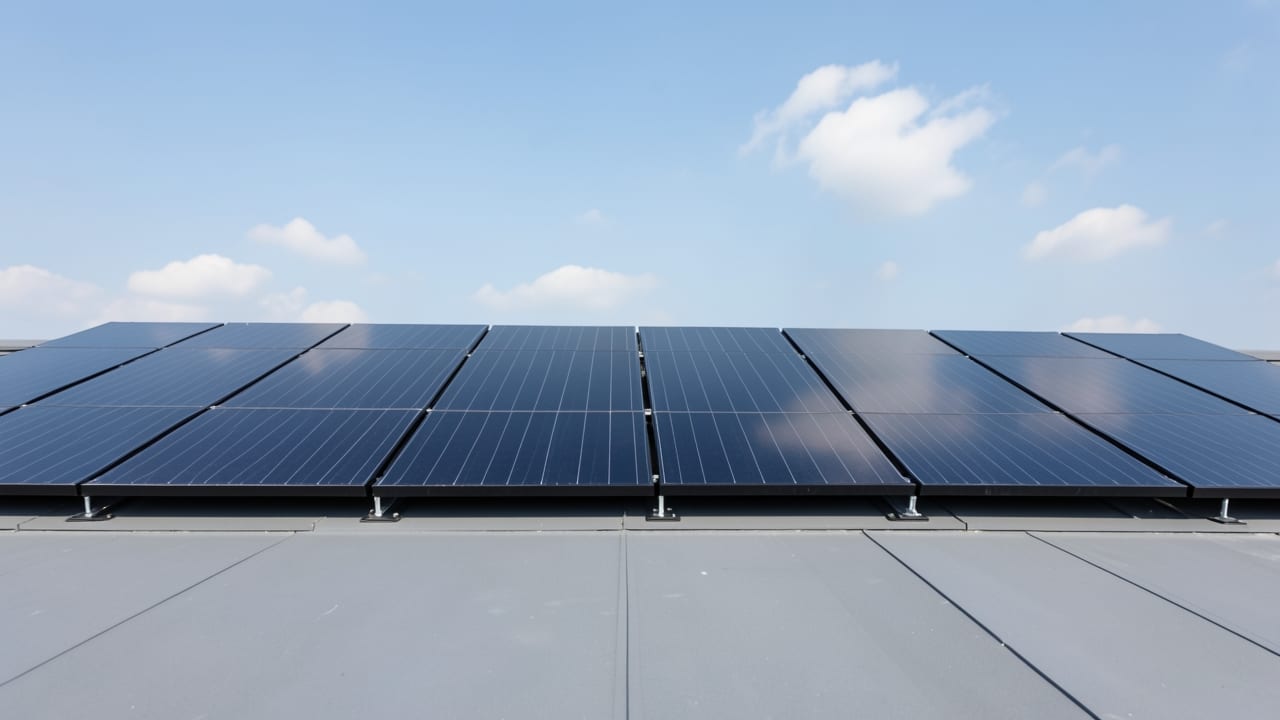
Solar Panel Cleaning in Pearland, TX
Solar panel cleaning in Pearland, TX — low-pressure, purified-water rinse that restores panel output without scratching the glass.
Learn More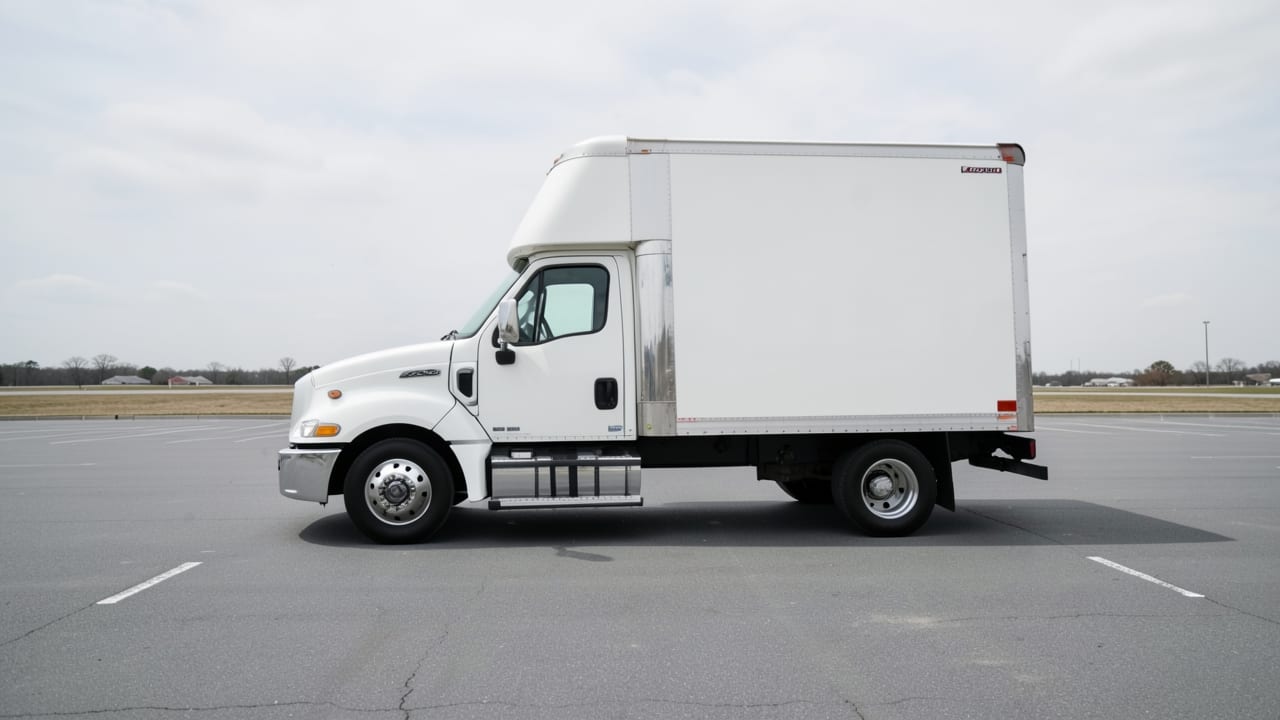
Fleet Washing in Pearland, TX
Mobile fleet washing for commercial vehicles in Pearland, TX — on-site cleaning for work trucks and vans.
Learn More
Dumpster Pad Cleaning in Pearland, TX
Commercial dumpster pad cleaning in Pearland, TX — hot-water sanitizing for grease, odor, and staining.
Learn More
Paver Sealing in Pearland, TX
Paver sealing in Pearland, TX — a protective, wet-look finish applied after cleaning to lock in color and block stains.
Learn More
Awning & Canopy Cleaning in Pearland, TX
Awning and canopy cleaning in Pearland, TX — fabric-safe, low-pressure cleaning for storefront and residential awnings.
Learn MoreCommon Questions About Pressure Washing in Pearland
Everything you need to know about pressure washing services in Pearland
How much does Rust Removal typically cost in Pearland, TX?
Why does algae and mildew growth on homes in Pearland, TX come back so quickly?
Would home insurance cover damage caused by improper pressure washing?
Can pressure washing strip paint or an existing sealant off a surface?
Is renting a pressure washer and doing the job at home a reasonable option?
How long does washing a typical house exterior take?
Need Pressure Washing in Pearland?
Get a written quote from our Pearland crew.
⏰ We answer your call • Serving all of Pearland and surrounding areas