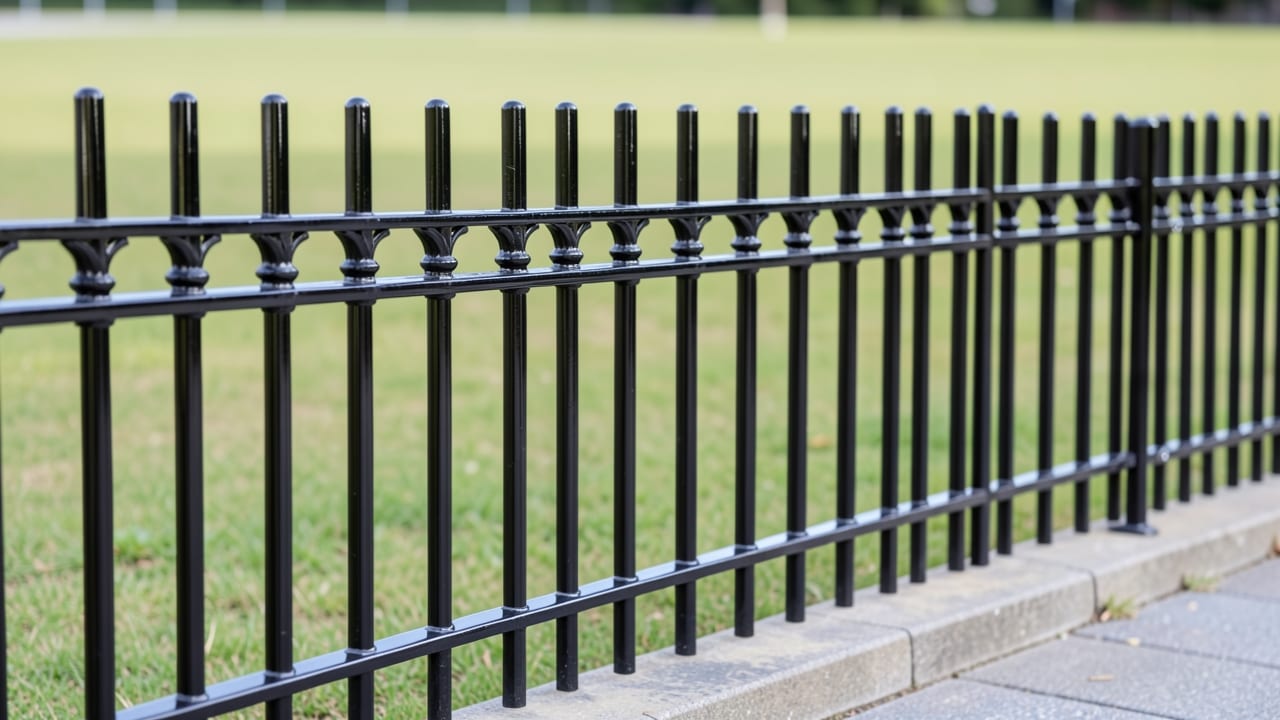
Metal Fence Cleaning
High-pressure washing to remove dirt, rust, and stains from metal fences for restored appearance.
Metal fence cleaning in Pearland, TX, restores the look of wrought iron, aluminum, and steel fences using high-pressure water to remove dirt, rust, and oxidation. This service helps maintain the appearance and longevity of metal fencing by addressing buildup that can weaken the material over time.
Coverage extends across Pearland and nearby areas like Friendswood and Alvin, ensuring homeowners in the region can access this specialized care.
We also handle Commercial Pressure Washing and Graffiti Removal for Pearland properties.
When metal fence cleaning is needed
Metal fences in Pearland’s humid climate often develop rust, oxidation, and grime buildup, which dulls their appearance and can weaken the metal over time. Signs that cleaning is needed include uneven discoloration, visible rust spots, or a generally faded, dirty look.
These issues are more common in shaded or damp areas where moisture lingers.
Ignoring these signs can lead to further corrosion, which may require costly repairs or replacements. Regular cleaning helps preserve the fence’s structural integrity and keeps it looking fresh. Homeowners should address these issues before they worsen, especially in areas prone to high humidity or salt exposure near roadways.
Signs Your Metal Fence Needs Cleaning
- Uneven discoloration or fading across the fence surface, indicating oxidation or weathering.
- Visible rust spots or streaks, especially in areas where water collects or splashes.
- A dull, dirty appearance that doesn’t respond to occasional wiping or light scrubbing.
- Loose or flaking paint or coating, which can expose the metal to further corrosion.
What affects cleaning results and cost
The type of metal—whether wrought iron, aluminum, or steel—plays a role in how cleaning is performed. Each material reacts differently to pressure and cleaning solutions, so the method is tailored to avoid damage.
For example, aluminum can be more prone to pitting if the wrong chemicals or pressure levels are used.
Fence size, height, and accessibility also impact the time and effort required. Taller or more intricate designs may need additional labor or specialized equipment. Additionally, the level of buildup—such as heavy rust or embedded grime—can extend the cleaning process and affect the overall cost.
| Factor | Impact on Cleaning Process |
|---|---|
| Metal Type | Determines the appropriate pressure and chemical strength to avoid damage (e.g., aluminum vs. steel). |
| Fence Height and Design | Taller or intricate fences may require ladders, scaffolding, or extended labor time. |
| Level of Buildup | Heavy rust or grime increases the time needed for thorough cleaning and may require multiple passes. |
| Accessibility | Fences in tight spaces or near landscaping may limit equipment use or require extra care. |
Why cleaning matters for long-term protection
Metal fences exposed to Pearland’s climate—with its mix of heat, humidity, and occasional salt spray—are vulnerable to corrosion if not maintained. Cleaning removes the protective layer of dirt and oxidation that can trap moisture, accelerating rust formation. Regular cleaning helps extend the fence’s lifespan by preventing these issues.
Beyond appearance, a clean fence deters pests like termites or rodents that thrive in dirty, damp environments. It also maintains property value by keeping outdoor spaces looking well-maintained. Homeowners who invest in cleaning now can avoid more expensive repairs later.
Using high-pressure settings without testing a small area first can strip paint or damage softer metals like aluminum. Always start with a low-pressure test to ensure the fence can handle the treatment without gouging or discoloration.
How metal fence cleaning works
This process safely removes dirt, rust, and oxidation without damaging the metal.
- 1Pressure and Chemical Assessment
The fence is inspected to determine the best pressure level and cleaning solution. Softer metals like aluminum may require lower pressure and gentler chemicals to avoid pitting or stripping.
- 2Pre-Treatment Application
A metal-safe detergent is sprayed on to break down grime, rust, and oxidation. This step ensures the high-pressure wash can lift debris without scratching the surface.
- 3High-Pressure Rinse
Water is applied at the determined pressure to rinse away loosened dirt and residue. Angles and pressure are adjusted to avoid driving water into joints or seams where it could cause hidden damage.
- 4Drying and Inspection
The fence is left to dry completely. Any remaining stubborn spots are addressed with a manual brush or targeted treatment. The goal is to restore the metal’s original appearance while preventing future corrosion.
Frequently asked questions
How often should I clean my metal fence to keep it looking new?
In Pearland’s climate, metal fences typically benefit from cleaning every 1–2 years, depending on exposure to moisture, salt, or debris. Fences near roadways or in shaded areas may need more frequent attention due to higher buildup.
Can cleaning remove rust stains completely, or will they come back?
Cleaning can significantly reduce rust stains, but deeper corrosion may require additional treatments like rust converters or touch-up paint. Regular maintenance helps prevent future rust by removing moisture-trapping debris.
Will cleaning damage my fence’s paint or coating?
If done correctly, cleaning restores rather than damages paint or coatings. However, improper pressure or chemicals can strip protective layers. Always use a professional who tests a small area first to confirm safety.
Does cleaning help with pests like termites or rodents?
Yes, removing dirt and moisture buildup makes the fence less appealing to pests. Clean fences also allow for better inspection of potential entry points or damage that could attract insects or rodents.
Where Pearland sits, and what the Census lists nearby
Pearland sits in Texas, and the closest places listed in the U.S. Census Gazetteer are Brookside Village (2.4 miles north), Manvel (5.4 miles southwest), Friendswood (8.1 miles southeast), Fresno (8.8 miles west). Within 25 miles of Pearland the same source lists 58 distinct incorporated places and census-designated places.
Those figures matter for metal fence cleaning because they are straight-line distances between Census coordinate points: road mileage between Pearland and Brookside Village runs longer than the 2.4 miles shown, which is why quotes for the same job differ between towns that look close together on a map.
Source: U.S. Census Bureau Gazetteer.
See West University Place, TX for more, or see the pressure washing work we do around Pearland by neighborhood for our complete lineup.
Ready to get started?
Talk to a local pressure washing pro in Pearland — get a written quote.
Other Pressure Washing Services in Pearland
Commercial Pressure Washing in Pearland, TX
Pressure washing for storefronts, parking lots, and commercial properties in Pearland, TX.
Learn More
Graffiti Removal in Pearland, TX
Graffiti removal from exterior walls and surfaces in Pearland, TX.
Learn More
Solar Panel Cleaning in Pearland, TX
Solar panel cleaning in Pearland, TX — low-pressure, purified-water rinse that restores panel output without scratching the glass.
Learn More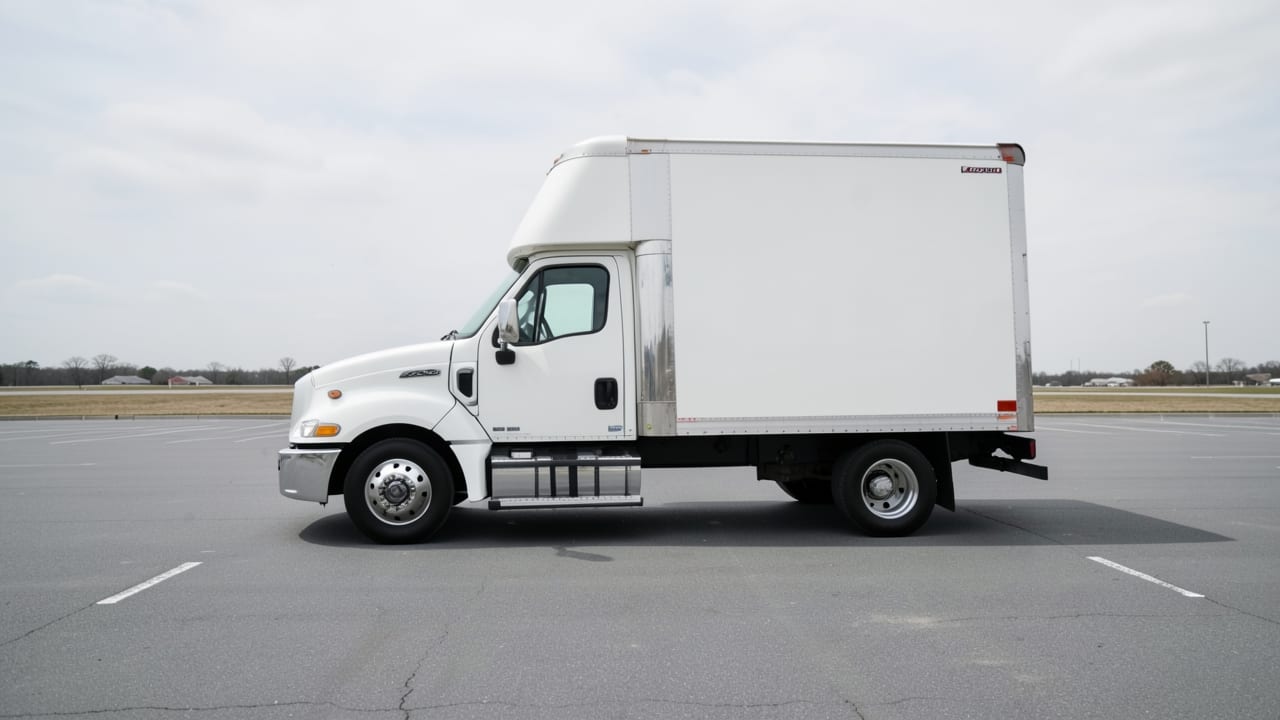
Fleet Washing in Pearland, TX
Mobile fleet washing for commercial vehicles in Pearland, TX — on-site cleaning for work trucks and vans.
Learn More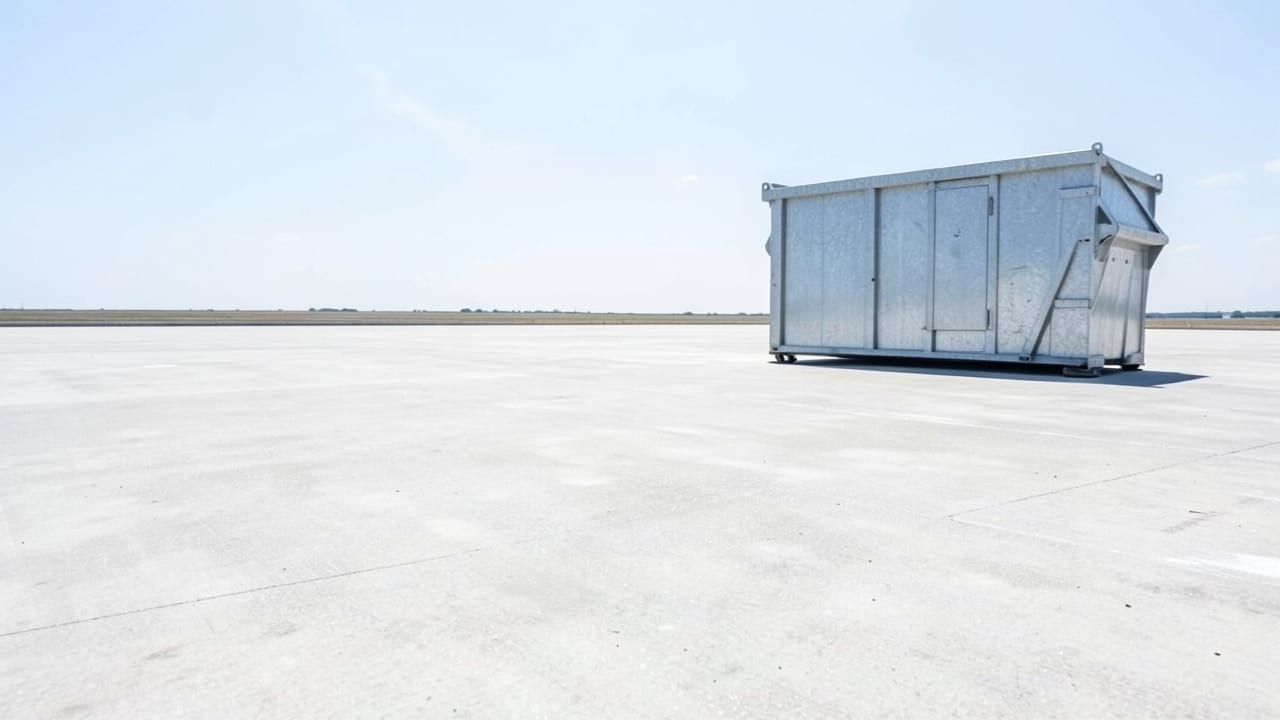
Dumpster Pad Cleaning in Pearland, TX
Commercial dumpster pad cleaning in Pearland, TX — hot-water sanitizing for grease, odor, and staining.
Learn More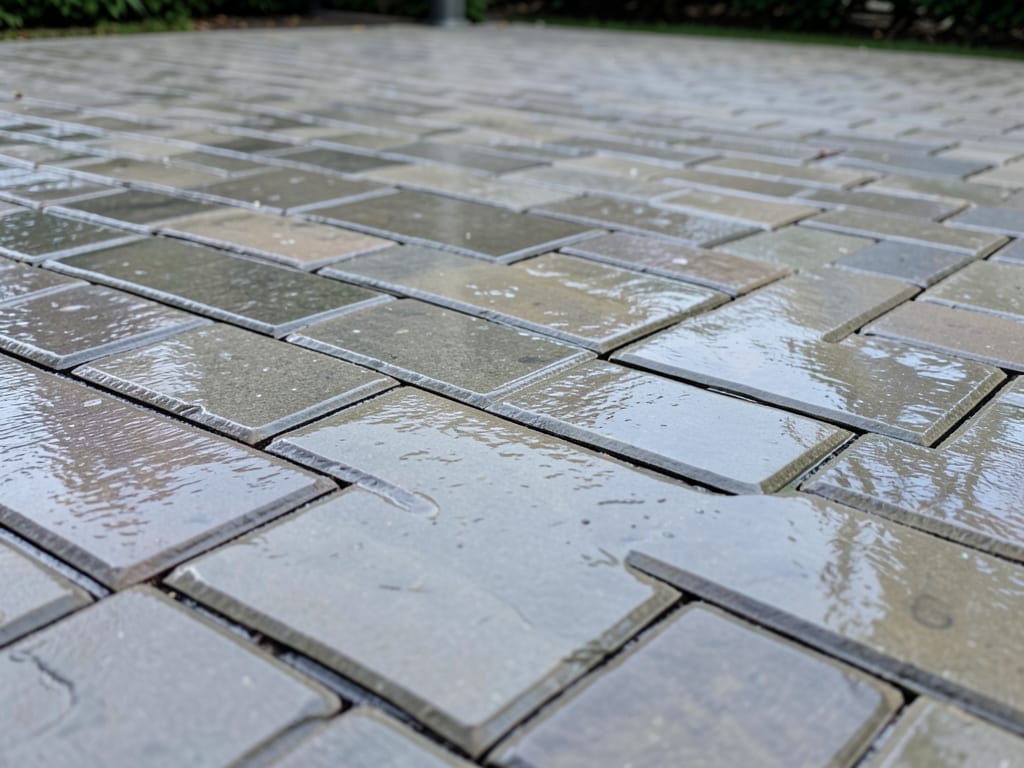
Paver Sealing in Pearland, TX
Paver sealing in Pearland, TX — a protective, wet-look finish applied after cleaning to lock in color and block stains.
Learn MoreCommon Questions About Pressure Washing in Pearland
Everything you need to know about pressure washing services in Pearland
How much does Metal Fence Cleaning typically cost in Pearland, TX?
Why does algae and mildew growth on homes in Pearland, TX come back so quickly?
Can the wrong PSI actually damage a house or driveway?
What's the actual difference between pressure washing and soft washing?
How often should a home's exterior actually be washed?
Are the cleaning chemicals used in soft washing safe for landscaping and pets?
Need Pressure Washing in Pearland?
Get a written quote from our Pearland crew.
⏰ We answer your call • Serving all of Pearland and surrounding areas