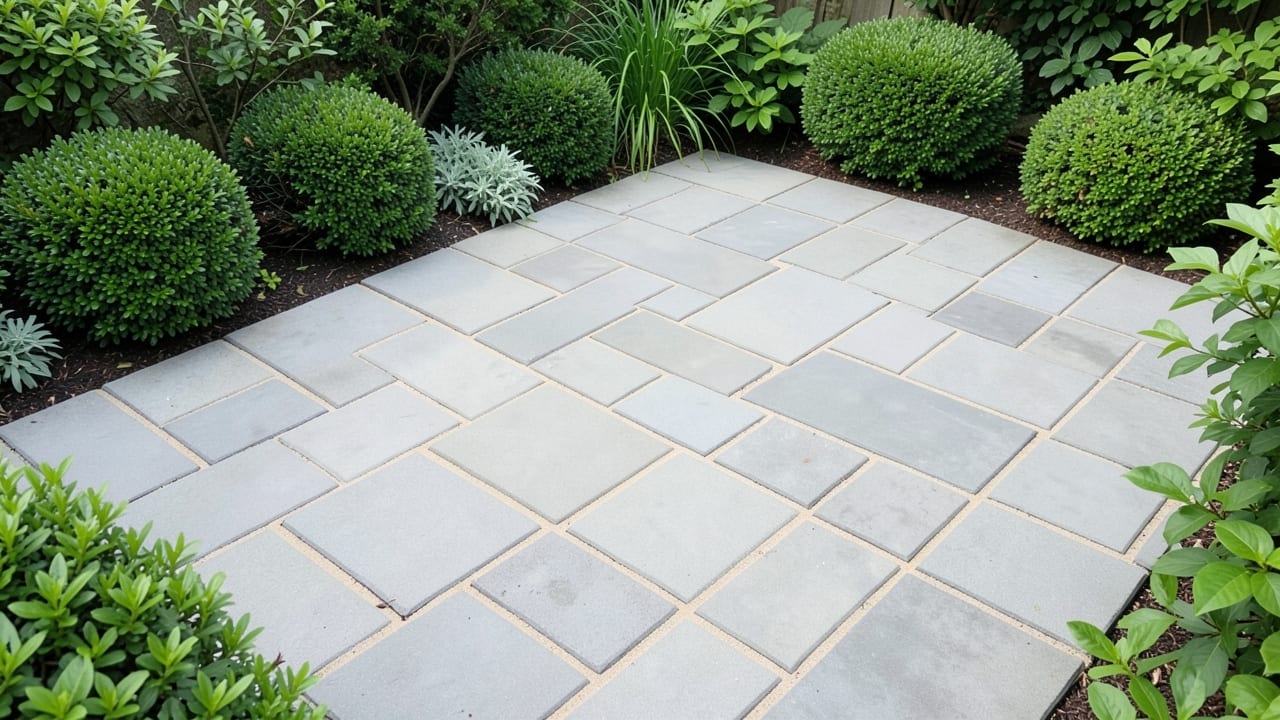
Stone Patios Cleaning
High-pressure washing to remove dirt, stains, and grime from stone patio surfaces.
Pearland homeowners looking to refresh their stone patios can rely on professional pressure washing to remove embedded dirt, algae, and stains without damaging delicate surfaces. This targeted service restores the natural beauty of flagstone, slate, and travertine while addressing mortar condition and moisture-related issues common in Pearland’s climate.
When stone patio cleaning is needed
A stone patio that looks dull, discolored, or covered in a greenish-black film likely needs cleaning. Algae, mildew, and efflorescence—white mineral deposits—are common in Pearland’s humidity and can make surfaces appear uneven or stained.
We also handle Glass Railing Cleaning and Vinyl Fence Cleaning for Pearland properties.
These issues worsen if ignored, as moisture trapped in mortar joints accelerates erosion and provides a breeding ground for organic growth.
Check for signs like recessed mortar, crumbling edges, or dark streaks near downspouts. These indicate pre-existing damage that affects how safely the patio can be cleaned. A thorough inspection before cleaning helps avoid worsening structural issues while targeting only the surface grime.
Signs Your Stone Patio Needs Cleaning
- A greenish-black film on the stone—worse on shaded sides—indicates algae or mildew buildup.
- White, chalky patches (efflorescence) that don’t wipe away suggest mineral deposits from moisture.
- Mortar joints that look recessed, crumble under pressure, or have dark staining directly below roof runoff.
- Surface discoloration that doesn’t match the stone’s natural variation, especially in high-traffic or damp areas.
How cleaning affects your patio’s longevity
Pressure washing stone patios focuses on restoring appearance without compromising the material. Low-to-medium pressure is used to avoid pitting softer stone or eroding weakened mortar, while chemical treatments target efflorescence and stains without scrubbing.
The process also includes inspecting mortar joints before and after cleaning to catch deterioration that could lead to structural issues.
A vapor-permeable sealer applied post-cleaning helps reduce future moisture absorption, which is critical in Pearland’s climate. Redirecting downspouts or adjusting landscaping to minimize water pooling near the patio further prevents recurring stains.
These steps are intended to extend the finish between cleanings, though results depend on ongoing maintenance and material condition.
What to watch for in a service provider
Not all pressure washing methods are safe for stone patios. A provider should specify the PSI and technique used for your specific materials, as higher pressure or improper angles can damage softer stone or accelerate mortar erosion.
Ask whether the quote includes a written scope detailing every surface covered and whether chemicals used are safe for nearby landscaping or pets.
Beware of quotes that lump different surfaces (like driveways and roofs) into one price without distinguishing the methods required. Pre-existing damage—such as cracked paint or loose mortar—often becomes visible after cleaning. Clarify upfront how such issues will be handled to avoid unexpected costs or disputes.
Red Flags in a Stone Patio Cleaning Quote
- No mention of PSI or whether pressure or soft wash will be used for your specific stone type.
- A price significantly lower than comparable bids, which may indicate rushed work or low-quality equipment.
- No disclosure of chemicals used or their potential impact on plants, grass, or pets nearby.
- Pressure to add extra services on the spot without a separate written estimate.
How stone patio cleaning works
This process restores your patio’s appearance while protecting its structural integrity.
- 1Inspect Mortar and Surface Condition
The technician checks mortar joints for crumbling or recession, as weakened mortar requires lower pressure to avoid further damage. They also identify algae, mildew, or efflorescence, which need targeted treatment rather than brute-force cleaning.
- 2Apply Low-to-Medium Pressure Across the Surface
Using 300–1,500 PSI, the patio is cleaned in sections to avoid concentrating pressure on joints. The nozzle is held at a wider angle to distribute force evenly, preventing pitting in softer stone.
- 3Treat Stains and Mineral Deposits
Efflorescence and organic stains are addressed with a masonry-safe solution rather than scrubbing, which can damage the stone’s texture. The solution is left to dwell briefly before rinsing.
- 4Detail Joints and Edges
Corners, window sills, and areas near mortar are finished with reduced pressure and closer distance control. This balances removing embedded grime without accelerating wear on already-compromised joints.
- 5Rinse and Reinspect
A final rinse clears loosened residue, and mortar joints are checked again for deterioration. Any issues spotted—such as further recession—are noted for potential repointing or further action.
Frequently asked questions
Will pressure washing damage my stone patio?
When done correctly, low-to-medium pressure cleaning restores stone without harming it. However, softer materials like travertine or older brick may pit if pressure is too high or applied incorrectly. A provider should inspect your patio first and adjust their method accordingly.
How often should I clean my stone patio?
Most stone patios benefit from cleaning every 1–3 years, depending on climate, foot traffic, and exposure to moisture. In Pearland’s humidity, annual inspections can help catch algae or efflorescence early, reducing the need for deep cleaning.
Can I apply a sealer after cleaning to protect my patio?
Yes, a vapor-permeable sealer can help reduce moisture absorption and staining between cleanings. However, sealing should only be done after the patio is fully dry, typically 24–48 hours post-cleaning, to avoid trapping water in the stone.
What causes the white haze on my patio, and will cleaning remove it?
The white haze is efflorescence, caused by mineral deposits rising to the surface as moisture evaporates. While cleaning removes existing efflorescence, addressing the moisture source—such as redirecting downspouts or improving drainage—helps prevent it from returning.
Where Pearland sits, and what the Census lists nearby
Pearland sits in Texas, and the closest places listed in the U.S. Census Gazetteer are Brookside Village (2.4 miles north), Manvel (5.4 miles southwest), Friendswood (8.1 miles southeast), Fresno (8.8 miles west). Within 25 miles of Pearland the same source lists 58 distinct incorporated places and census-designated places.
Those figures matter for stone patios cleaning because they are straight-line distances between Census coordinate points: road mileage between Pearland and Brookside Village runs longer than the 2.4 miles shown, which is why quotes for the same job differ between towns that look close together on a map.
Source: U.S. Census Bureau Gazetteer.
See Brookside Village, TX for more, or find out about our complete Pearland service list by service type for our complete lineup.
Ready to get started?
Talk to a local pressure washing pro in Pearland — get a written quote.
Other Pressure Washing Services in Pearland
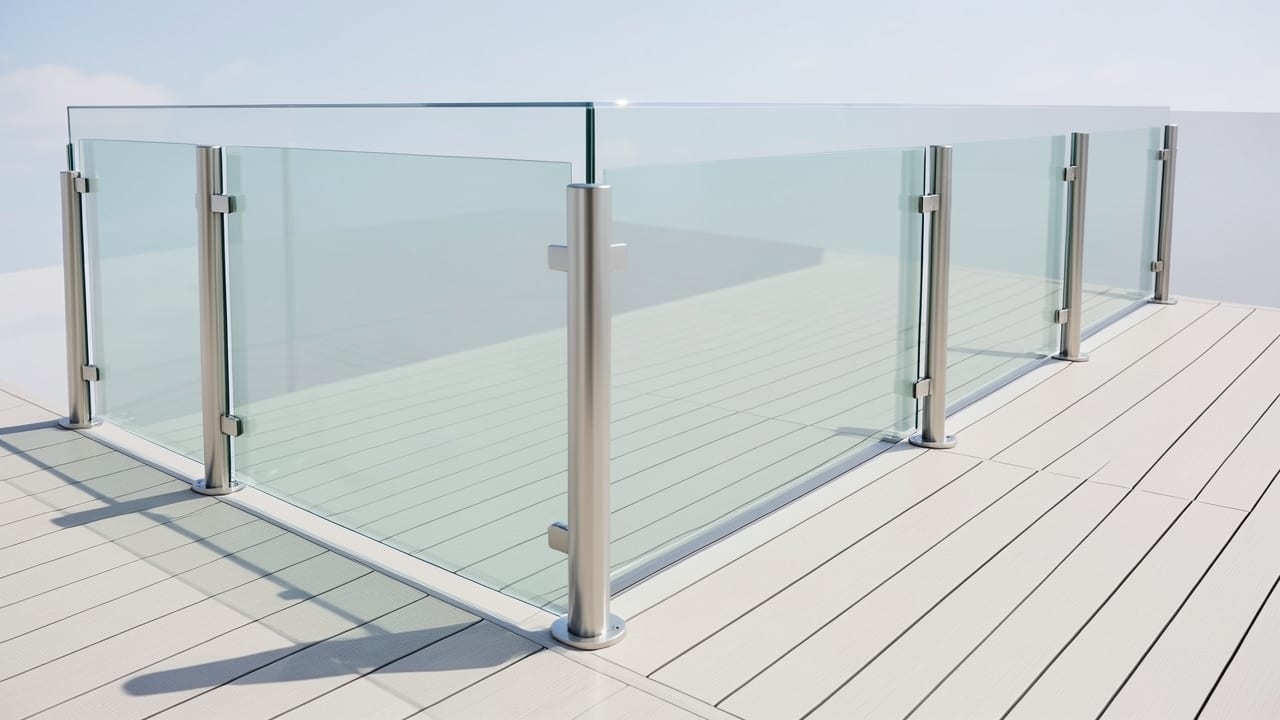
Glass Railing Cleaning in Pearland, TX
High-pressure cleaning to remove dirt, grime, and water spots from glass railings.
Learn More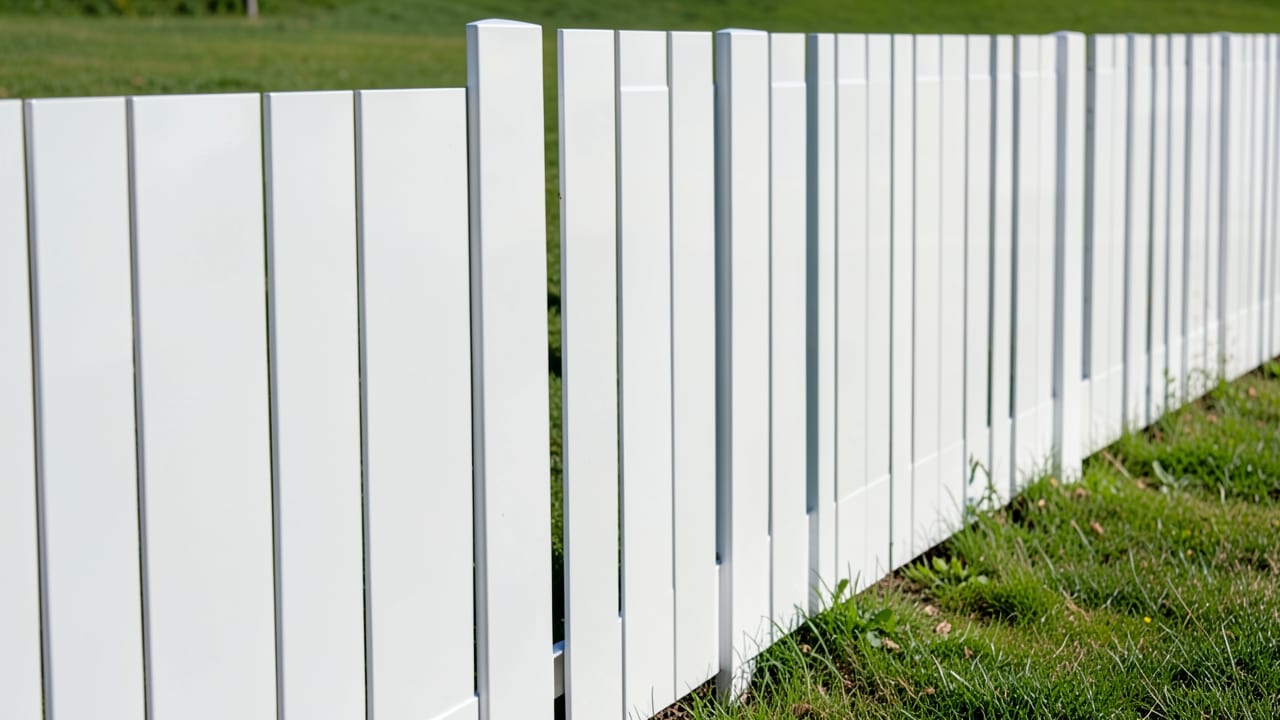
Vinyl Fence Cleaning in Pearland, TX
High-pressure cleaning to remove dirt, mold, and grime from vinyl fences, restoring their appearance.
Learn More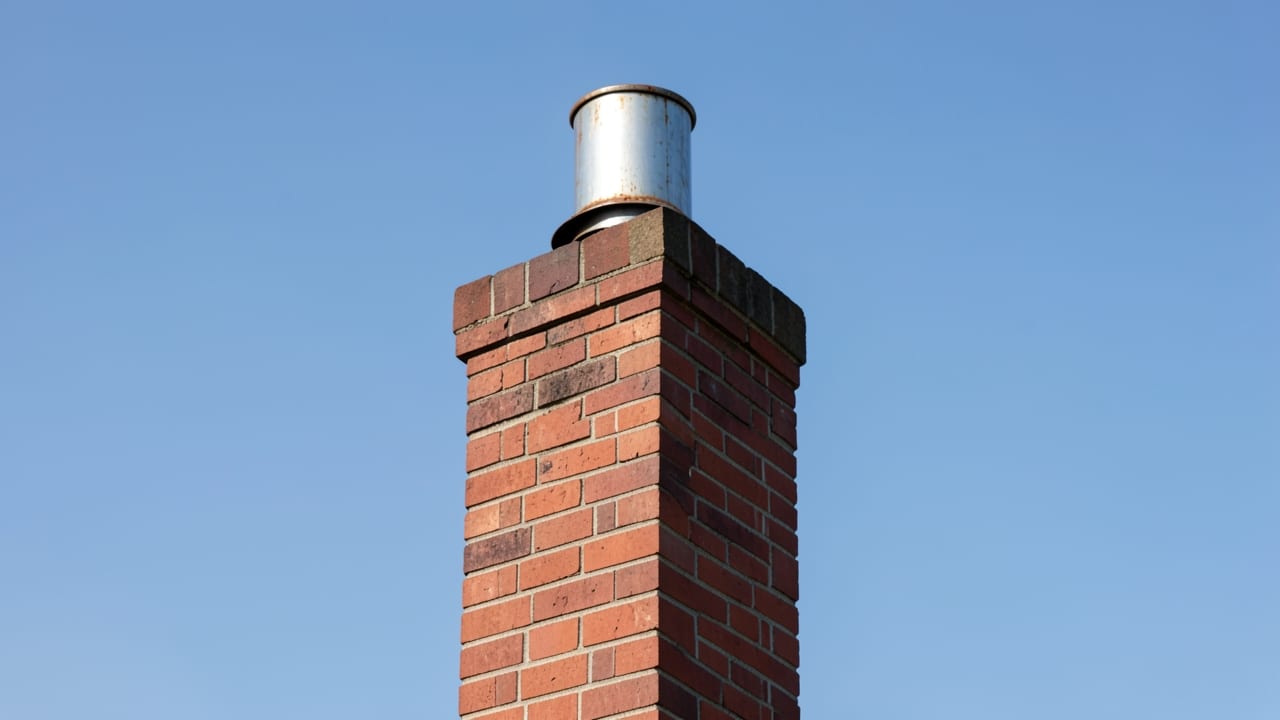
Chimney Exterior Cleaning in Pearland, TX
Pressure washing to remove soot, dirt, and stains from chimney exteriors.
Learn More
Mailbox Cleaning in Pearland, TX
Pressure washing to remove dirt, grime, and stains from mailboxes.
Learn More
Exterior Light Fixture Cleaning in Pearland, TX
Professional cleaning of outdoor light fixtures to remove dirt, grime, and debris using pressure washing.
Learn More
Rental Property Washing in Pearland, TX
High-pressure cleaning of rental property exteriors to remove dirt, grime, and mold.
Learn MoreCommon Questions About Pressure Washing in Pearland
Everything you need to know about pressure washing services in Pearland
How much does Stone Patios Cleaning typically cost in Pearland, TX?
Why does algae and mildew growth on homes in Pearland, TX come back so quickly?
Are the cleaning chemicals used in soft washing safe for landscaping and pets?
Would home insurance cover damage caused by improper pressure washing?
Can pressure washing strip paint or an existing sealant off a surface?
Is renting a pressure washer and doing the job at home a reasonable option?
Need Pressure Washing in Pearland?
Get a written quote from our Pearland crew.
⏰ We answer your call • Serving all of Pearland and surrounding areas